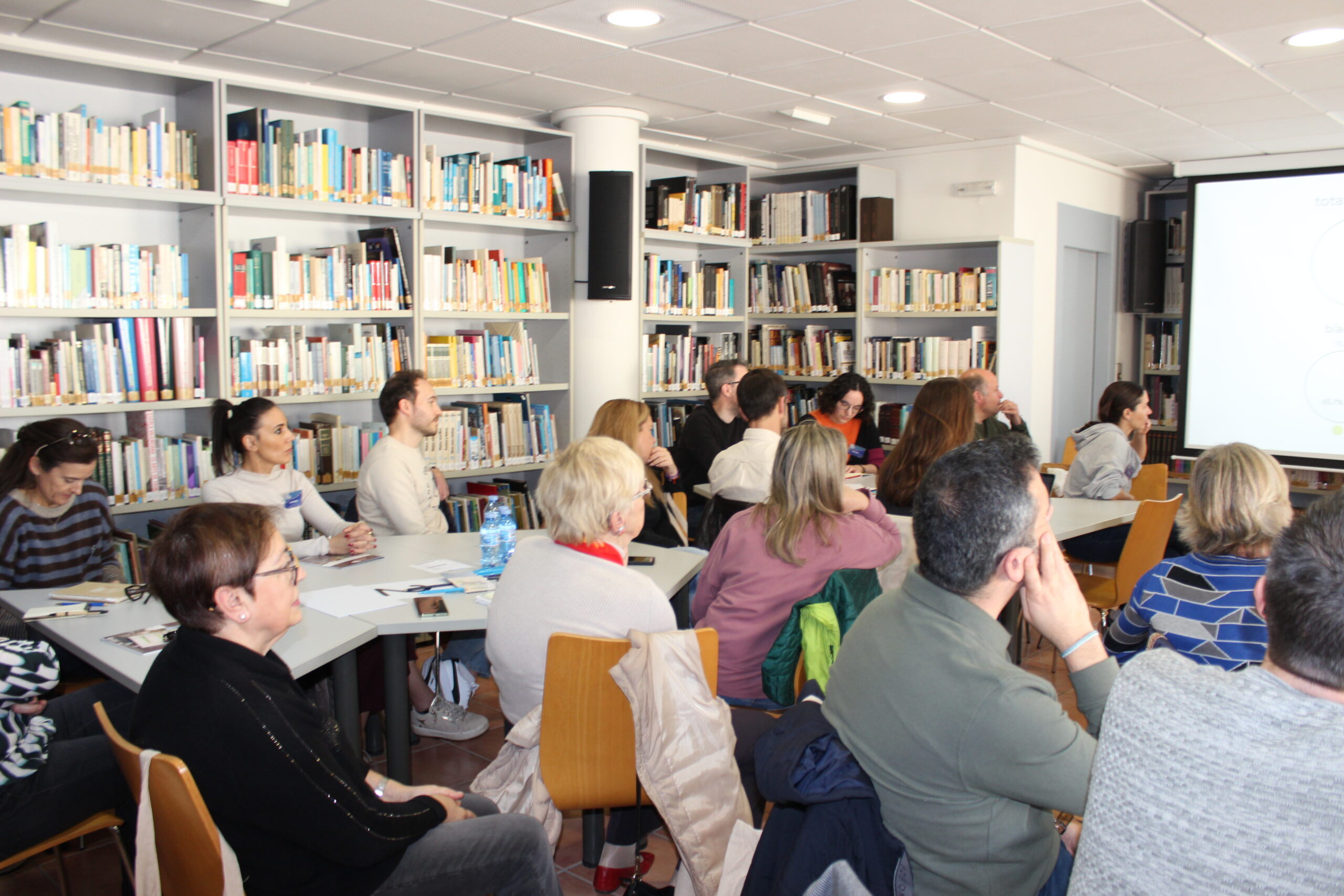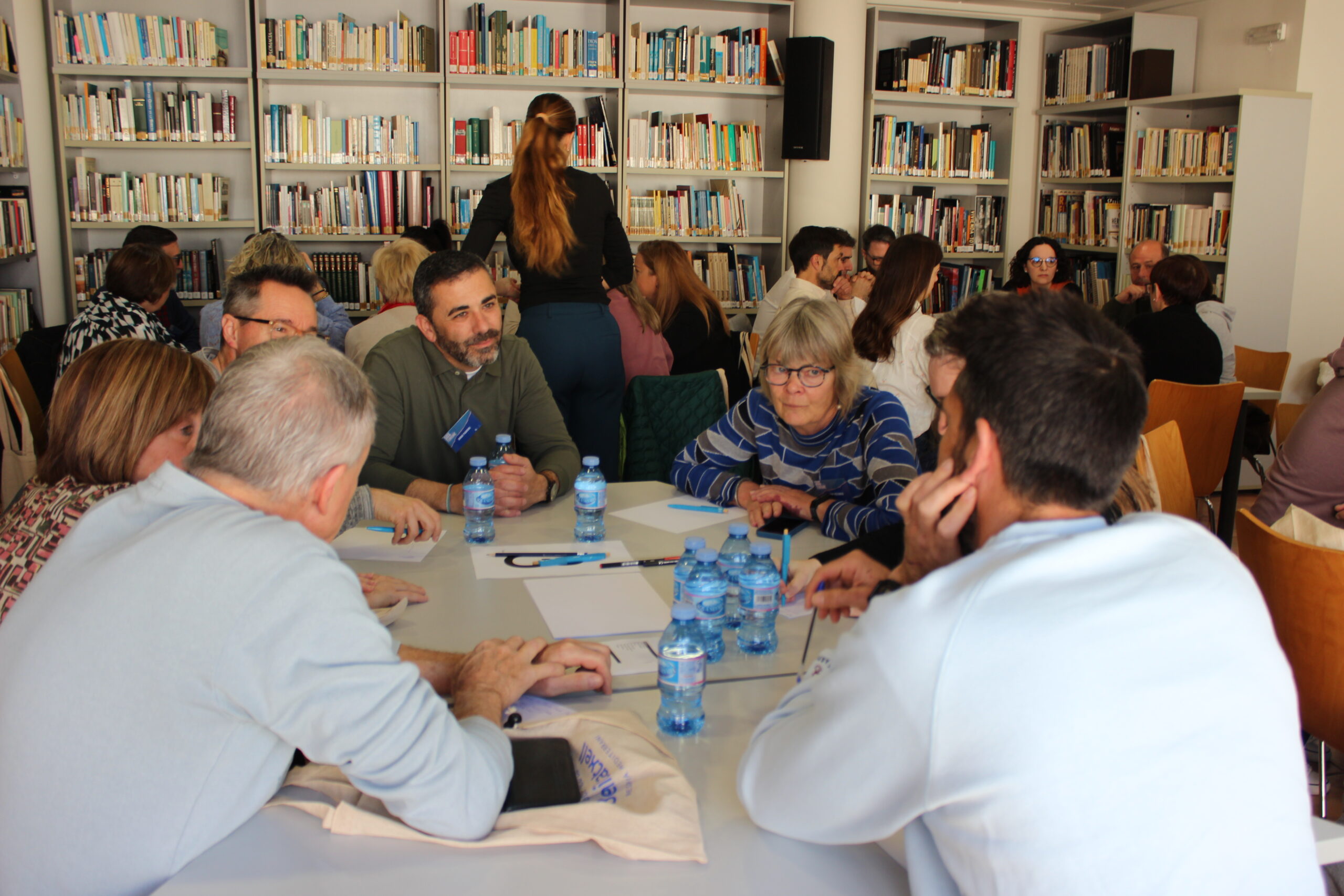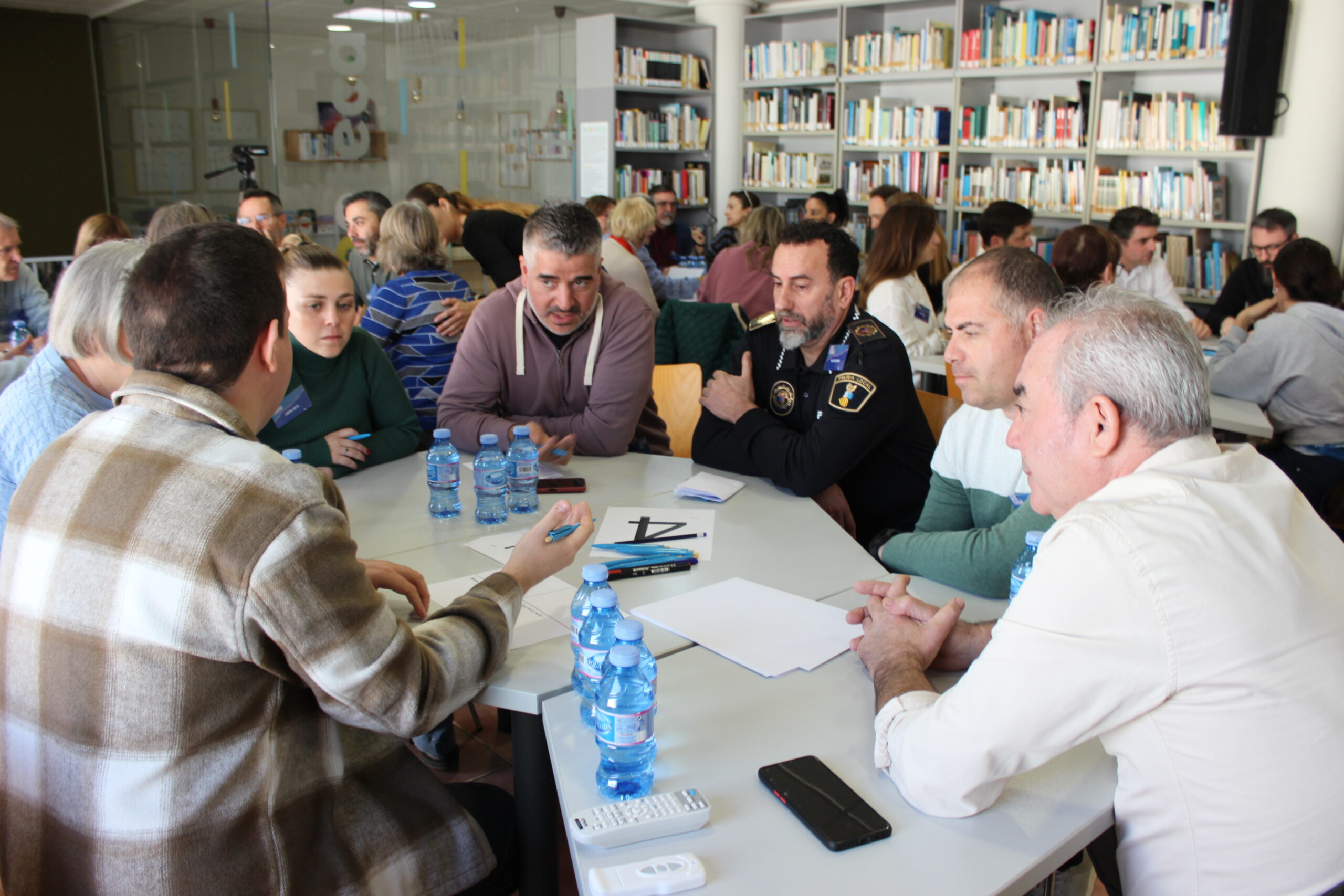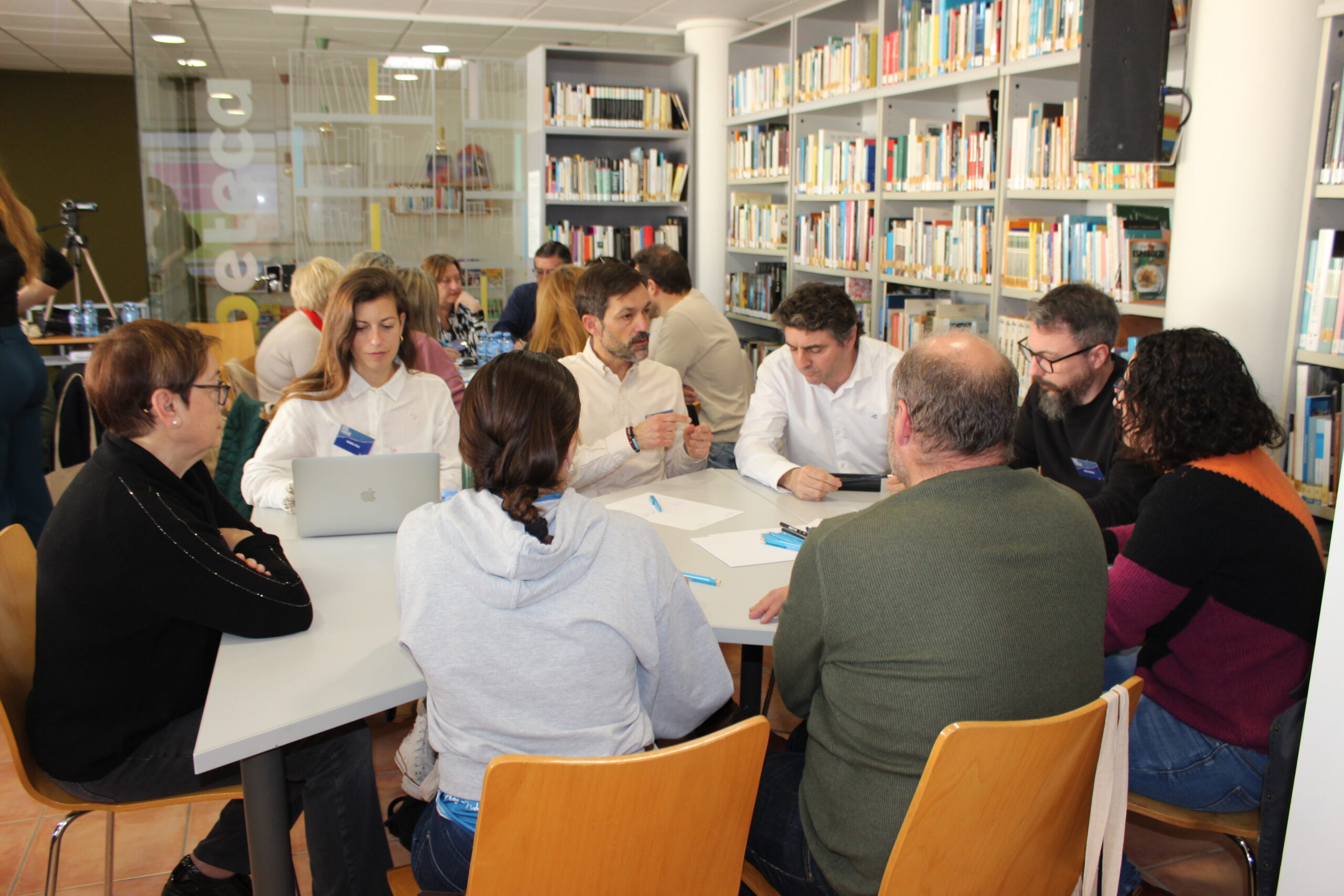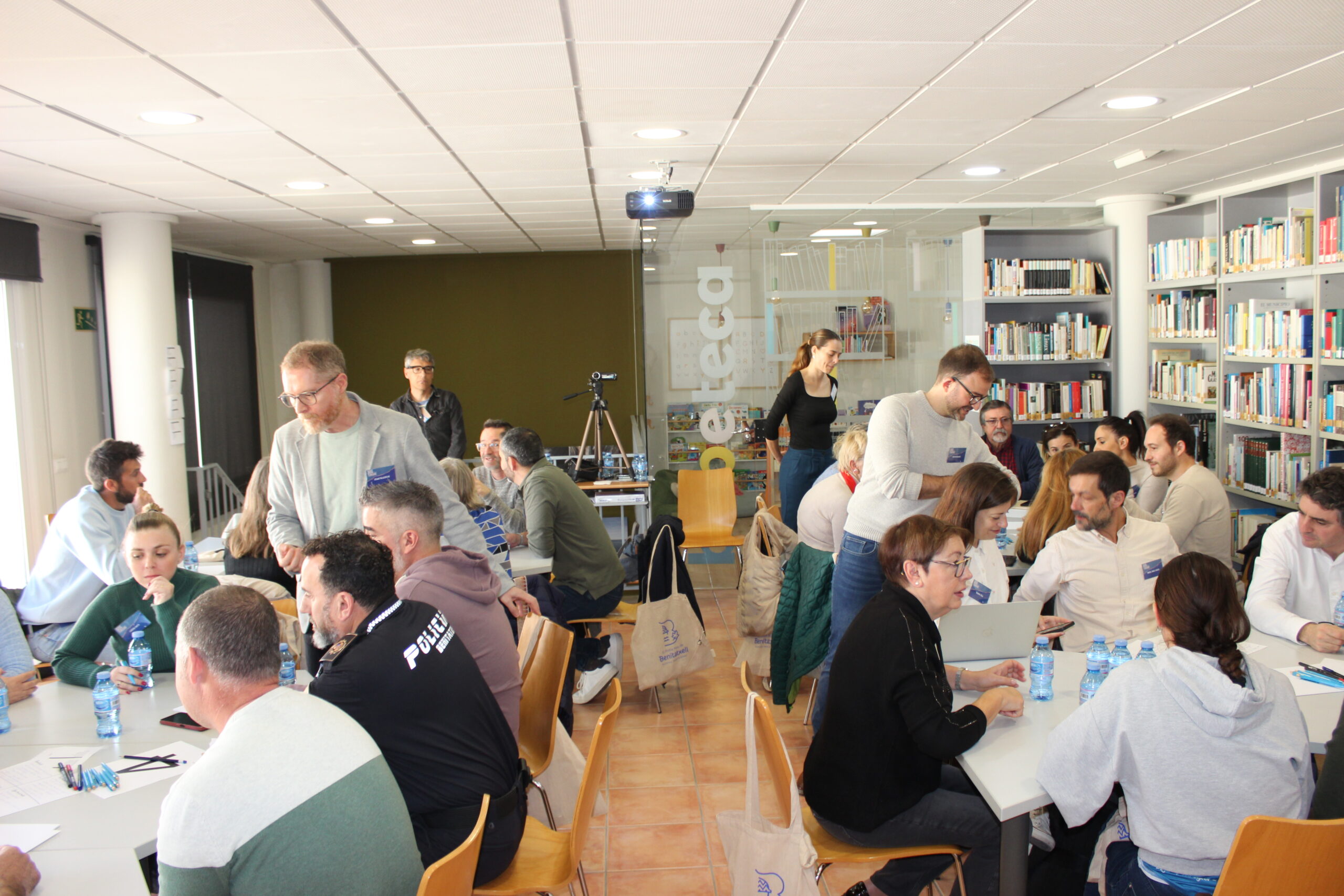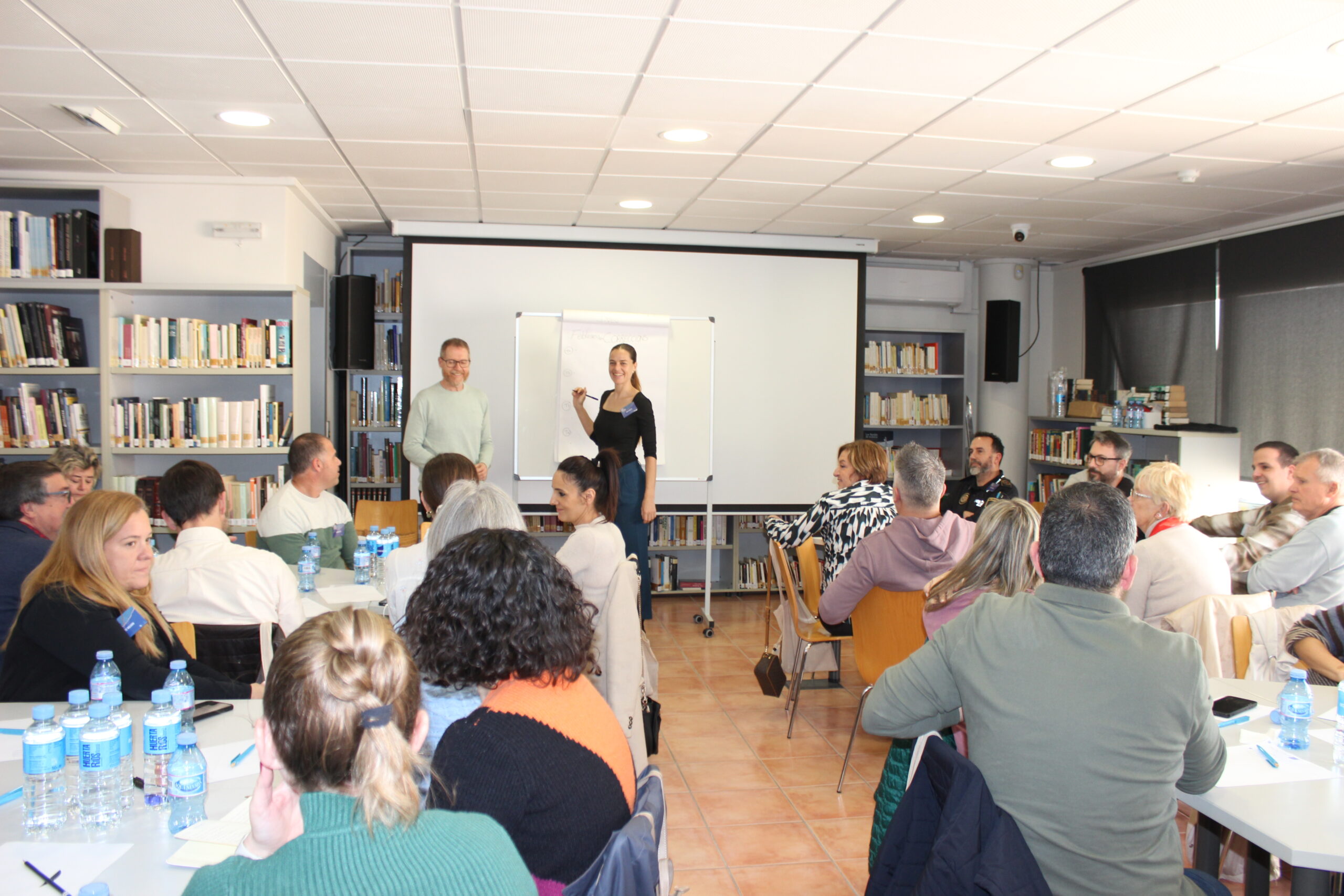



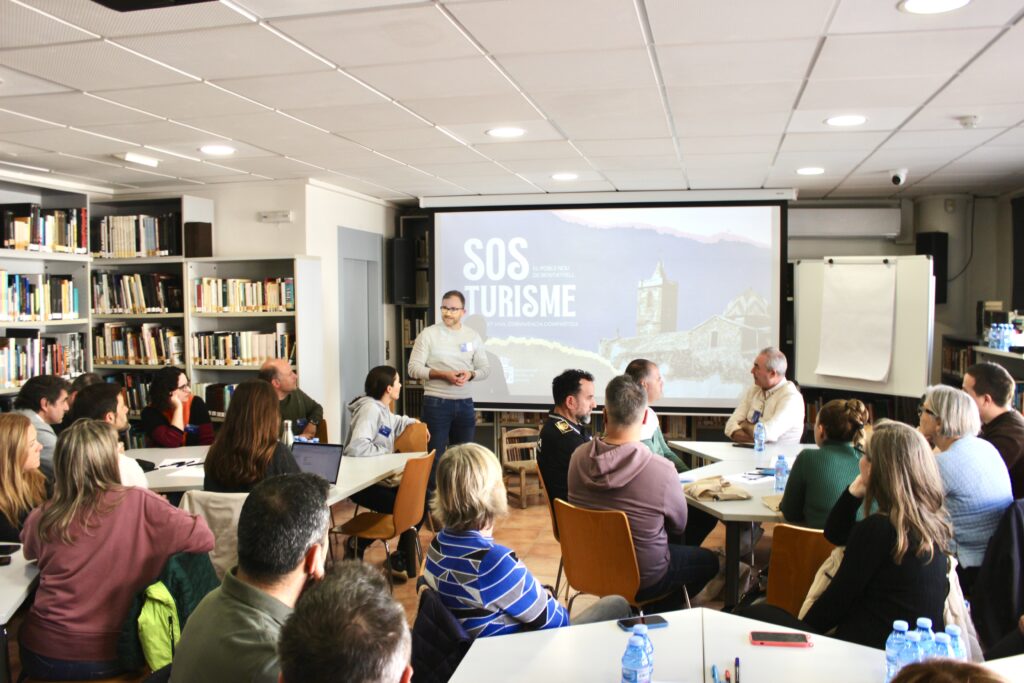
Last Saturday, February 21st, the Municipal Library of El Poble Nou de Benitatxell became a forum for critical and strategic reflection on the future of the municipality and its tourism model. Under the title “SOS Tourism”, the conference—coordinated by the company Salabre Comunicación and the Tourism Department led by Benita Breiter—brought together around 35 participants to discuss how to balance the wealth generated by the sector with the preservation of local identity and natural resources.
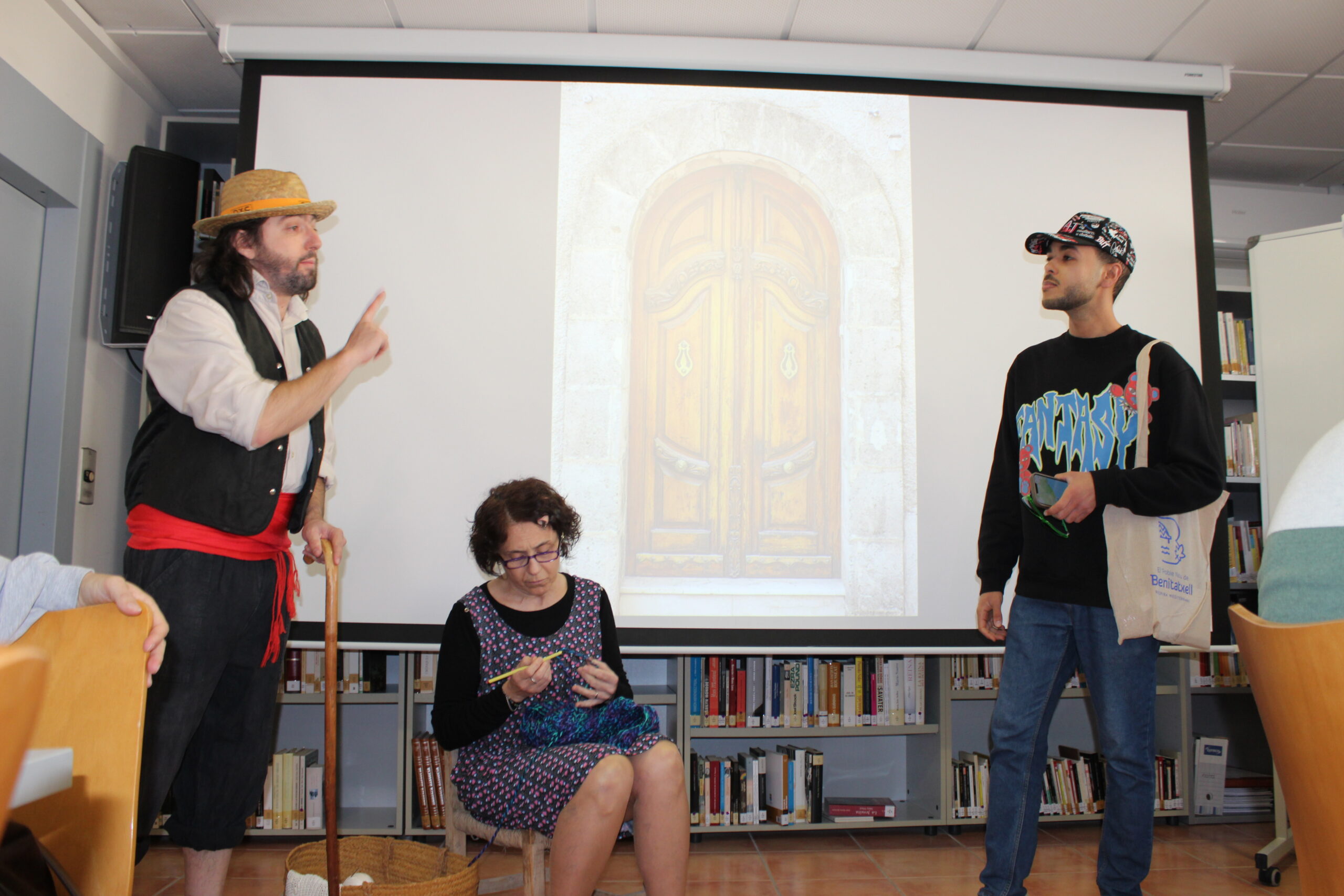
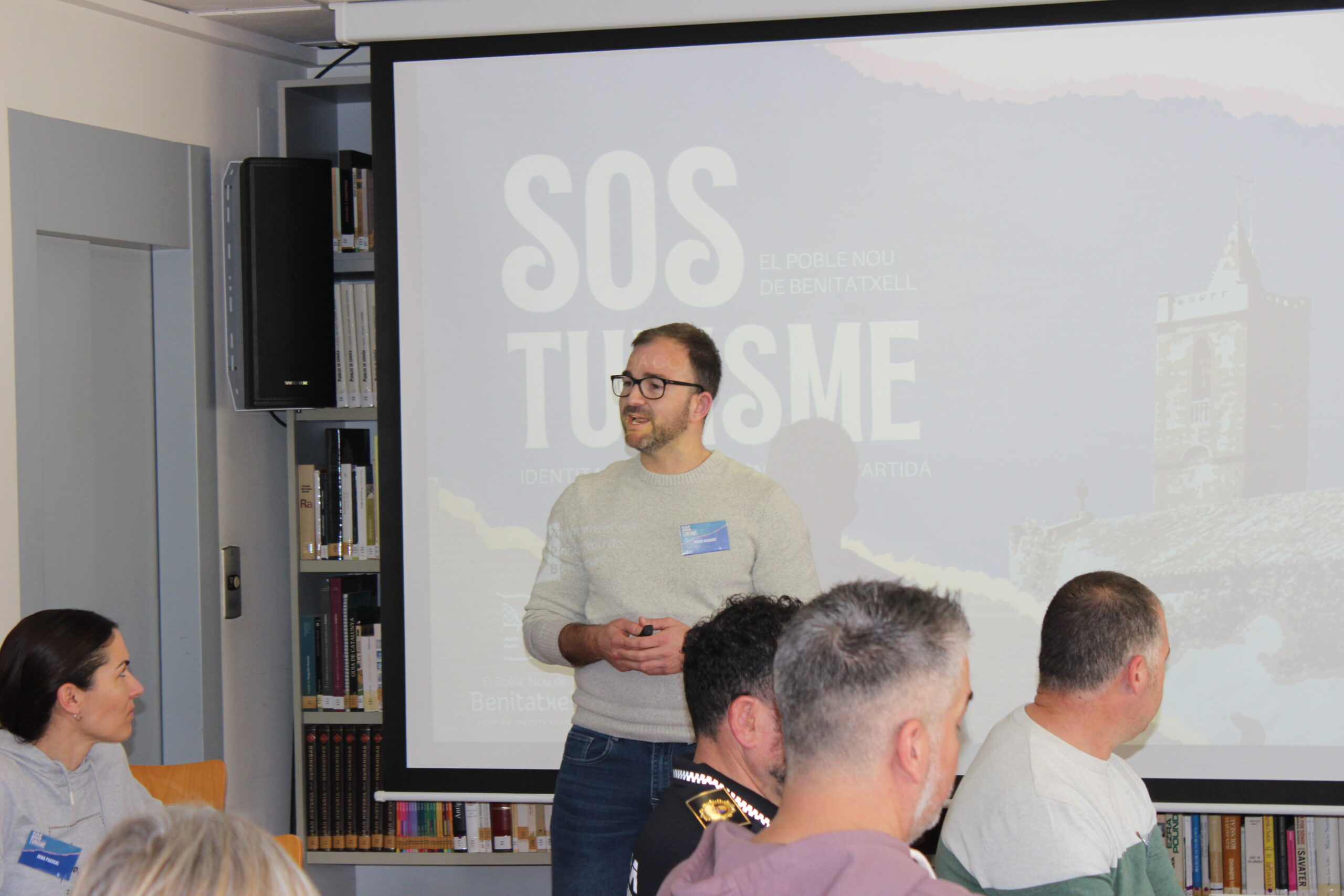
The event began with a theatrical performance full of symbolism: a tourist was welcomed by an elderly woman and a farmer from the town, who reminded him of the importance of learning about traditions and respecting the environment. This opening gave way to a speech by the Councillor of Tourism, Victor Bisquert, who posed uncomfortable but necessary questions: ‘Should we stop promoting tourism? What should we do about tourism?’ Quoting Joan Fuster, Bisquert was categorical: ‘Any tourism that we do not manage ourselves will be done against us.’
A realistic diagnosis: between wealth and precariousness
Bisquert outlined the negative impacts already affecting La Marina Alta, such as rising housing prices, overexploitation of resources and a paradoxical reality: being a successful tourist area but with the highest poverty rates in the Valencian Community.
The councillor recalled the actions that the Council is already implementing to reverse this situation, such as the tax on tourist accommodation through the rubbish collection tax, the parking tax at Moraig, the defence of the Valencian language and welfare programmes that advocate respectful tourism, such as the “Turismo para respirar” (Tourism to breathe) and “Dojo Benitatxell” programmes. ‘We are looking for these 3: less tourism, better tourism and more spread out over time,’ he concluded.
The voice of specialists
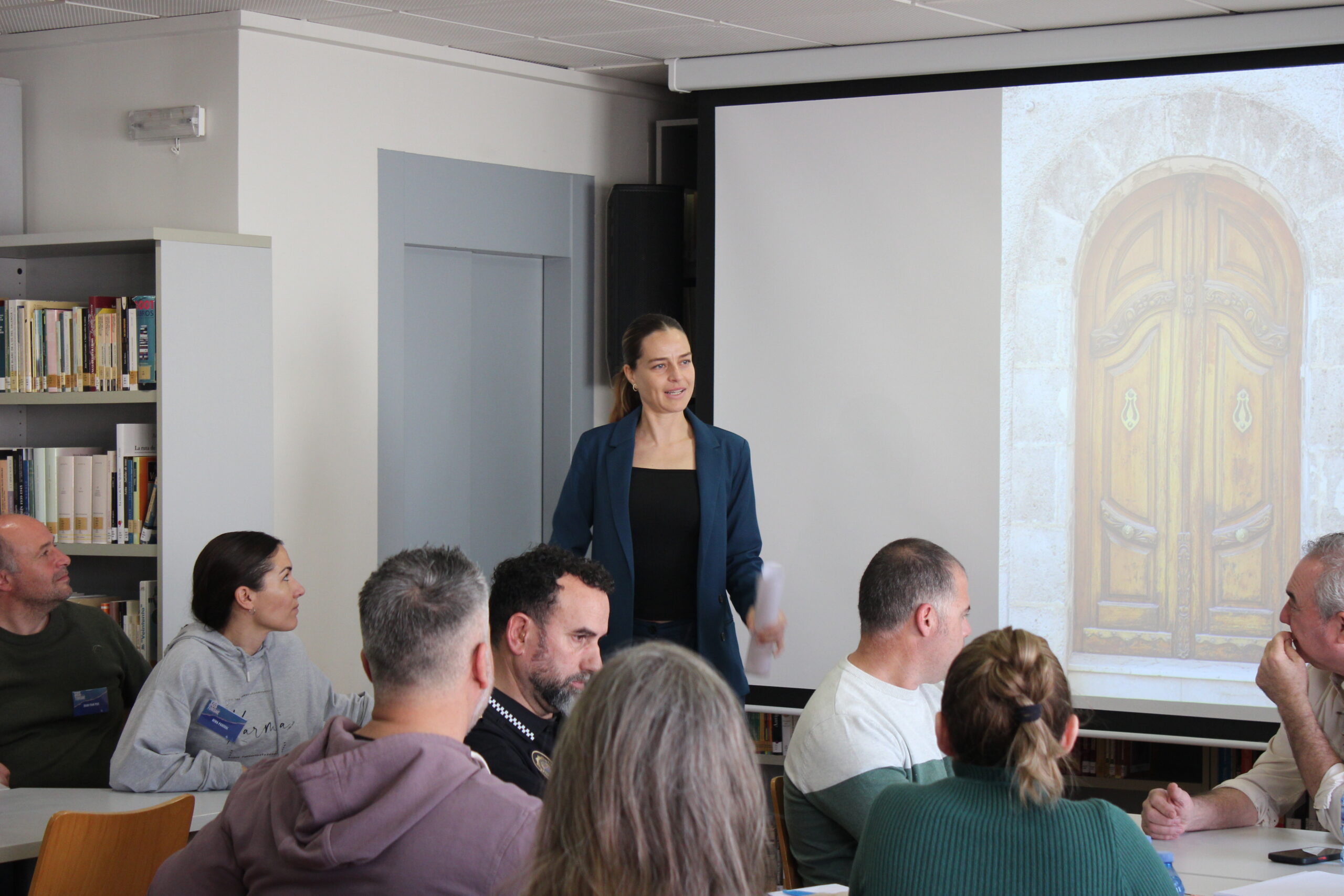
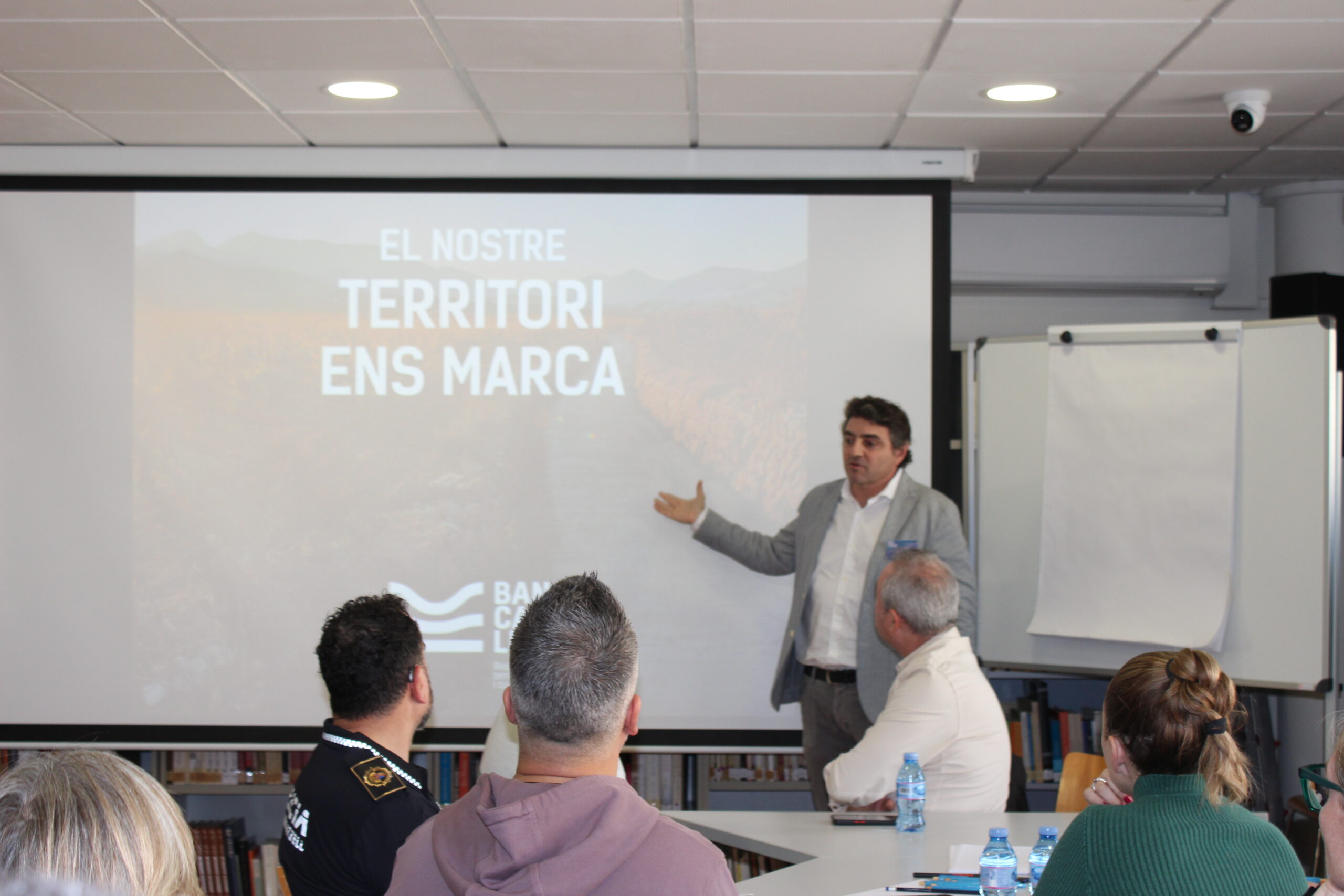
The conference featured three high-level presentations that provided key data for the debate. Luis Silvestre, founder of Melic, a company specialising in transforming destinations into experiences through cultural heritage, focused his presentation on the need to create ambassadors for the region.
The expert, who also manages Melicatesen —a shop and platform for promoting artisan products from La Marina Alta region— highlighted the current disconnection between the service sector and local production. He highlighted a revealing finding from his own study: after analysing the menus of 90 restaurants in Dénia, he found that only 5% of the wines on offer belonged to the Alicante PDO, despite the fact that there are 26 wineries in La Marina Alta. ‘Our projects must reinforce pride in belonging and connect visitors with the people who bring the place to life,’ he argued, advocating experiential routes such as the Riuraus route.
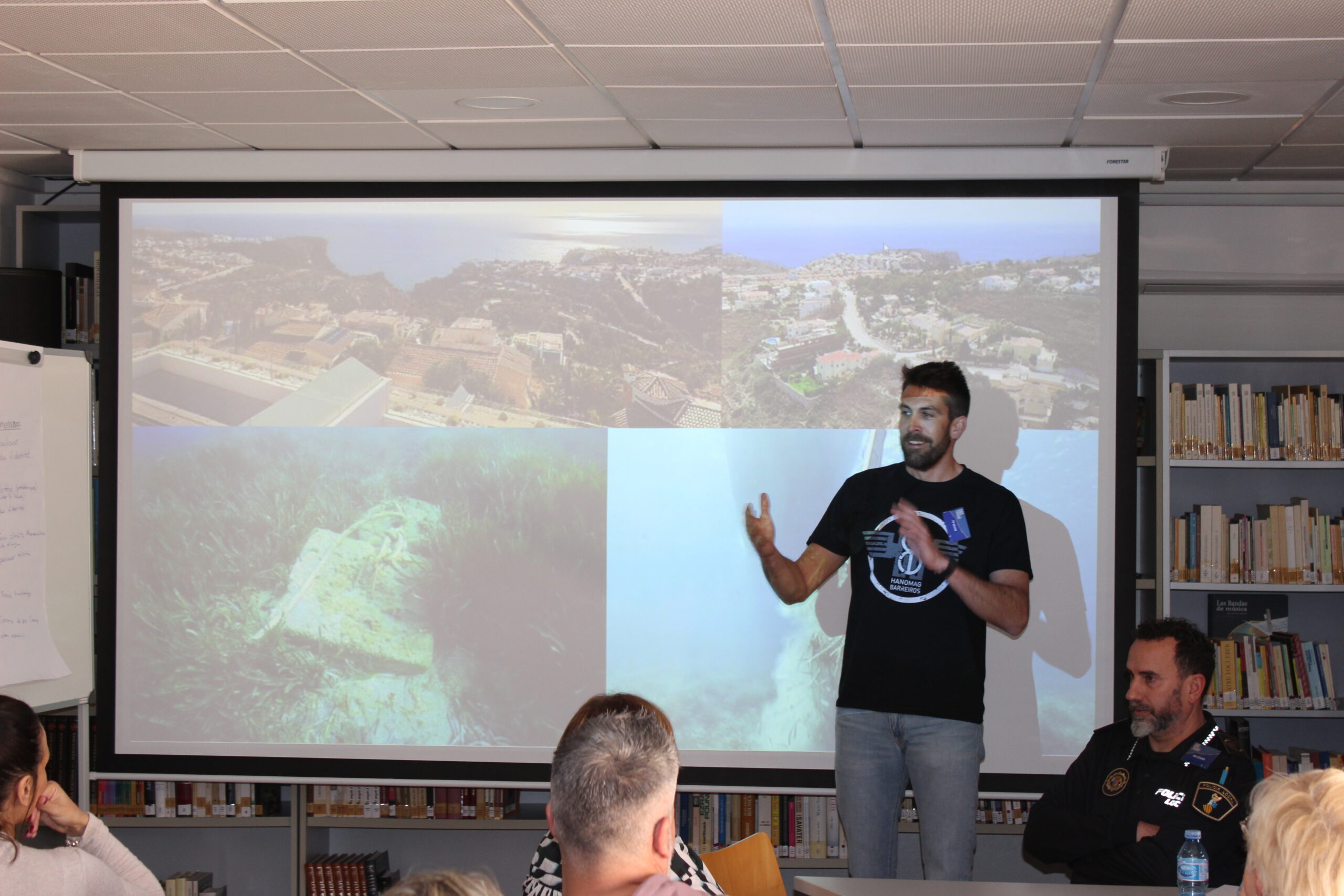
With a critical discourse based on real sustainability, Pep Bolufer, a local oceanographer and vocal critic of mass tourism, urged the protection of Posidonia as the ‘life insurance’ of our water quality. The oceanographer denounced the fact that, despite being protected since 1979 by the Bern Convention, it was not until 2025 that the first fines for illegal anchoring in the region began to be imposed. ‘We are 46 years behind in taking this seriously,’ he lamented, calling on the regional government to give the local police the power to effectively punish illegal anchoring.
Bolufer also provided statistical data that places the area at the epicentre of recreational water consumption: the Valencian Community is the second autonomous region with the most swimming pools in Spain and the province of Alicante is second nationally. In this context, La Marina Alta leads the provincial ranking and, within the region, El Poble Nou de Benitatxell ranks as the second municipality with the highest density of swimming pools per inhabitant, only behind El Ràfol d’Almúnia. ‘We have one swimming pool for every two and a half people,’ warned the expert, denouncing that this model of private infrastructure, coupled with water management that could be improved, requires a bold response from the authorities. Bolufer advocated for the efficient reuse of bathing water.
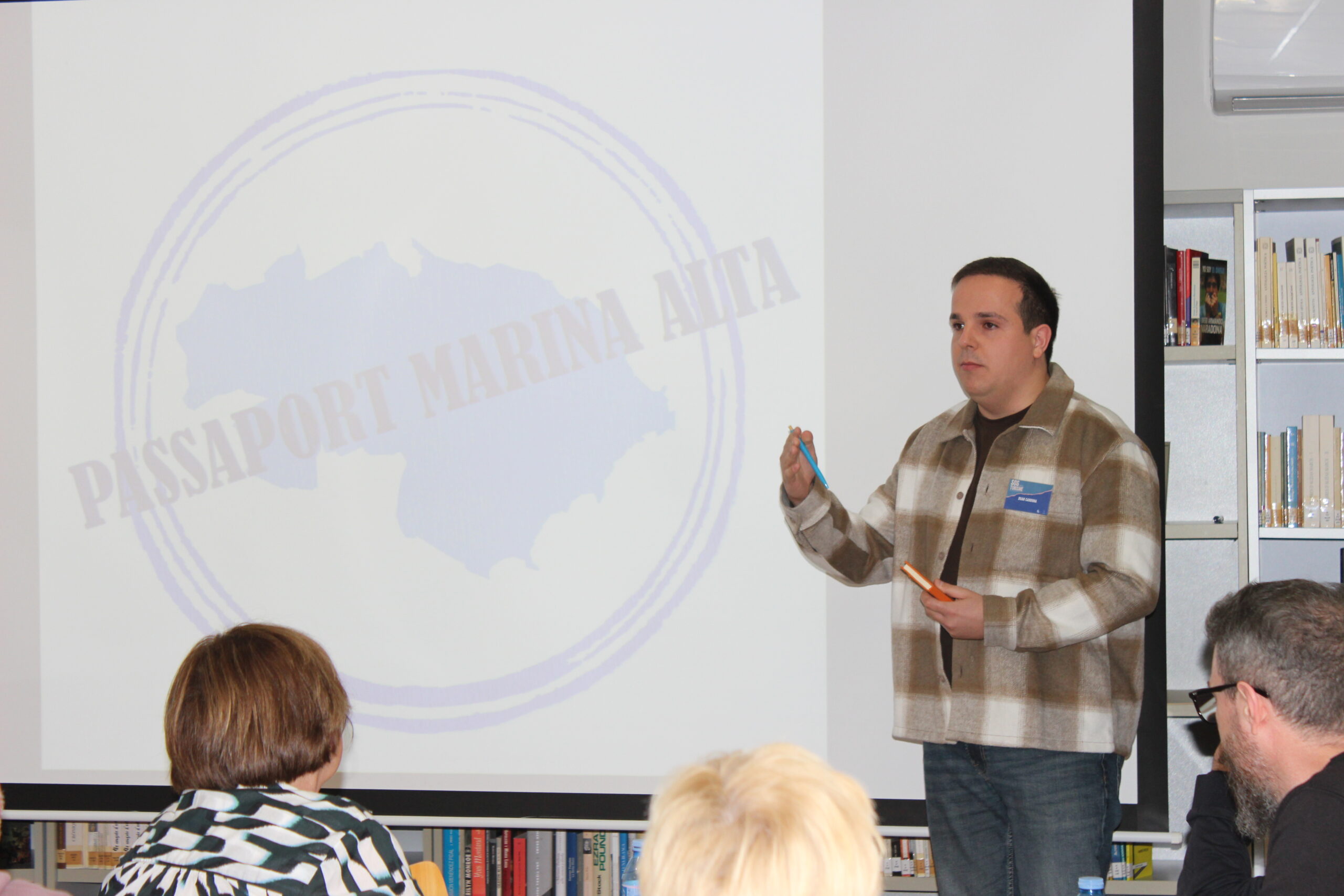
Juan Cardona presented the Passaport Marina Alta project, an initiative promoted by Creama and PacteMA to connect tourism companies with local producers and professionals, seeking to ensure that the benefits of tourism also reach those who generate non-seasonal work and stabilise the population. His analysis was particularly critical of the lack of economic alternatives: ‘Environmentalism without social struggle is just gardening, and a policy of tourism regulation without a focus on economic diversification is nothing more than empty talk.’
Cardona warned that it is very difficult to place limits on tourism if there is no serious industrial or agricultural policy to reduce the territory’s absolute dependence on the service sector. According to the expert, only by maximising the benefits for producers and strengthening other economic sectors will it be possible for tourism to cease to be an inevitable burden and for real control measures to be promoted without compromising the survival of municipalities.
SWOT and CAME analysis: The way forward
The attendees, divided into four working groups, conducted an in-depth analysis of the municipality using the SWOT (Strengths, Weaknesses, Opportunities, and Threats) and CAME (Correct weaknesses, Address threats, Maintain strengths, and Exploit opportunities) methodologies.
Among the threats identified were loss of identity, property speculation and overcrowding. Strengths highlighted included the municipality’s tangible and intangible patrimony, climate and safety.
The conclusions of the analysis set out a clear roadmap: invest in cultural heritage education and improve mobility and public transport; regulates tourist capacity and inspect tourist accommodation to curb rising rental prices; protect cultural patrimony and adapt services to the family tourism segment; and promote seasonality with experiences in the low season and by digitising local commerce.
The day closed with a general feeling that Benitatxell is at a turning point. The future does not lie in waiting for magical solutions, but in a planned, regulated and, above all, participatory model, where the well-being of local residents is the absolute priority.