

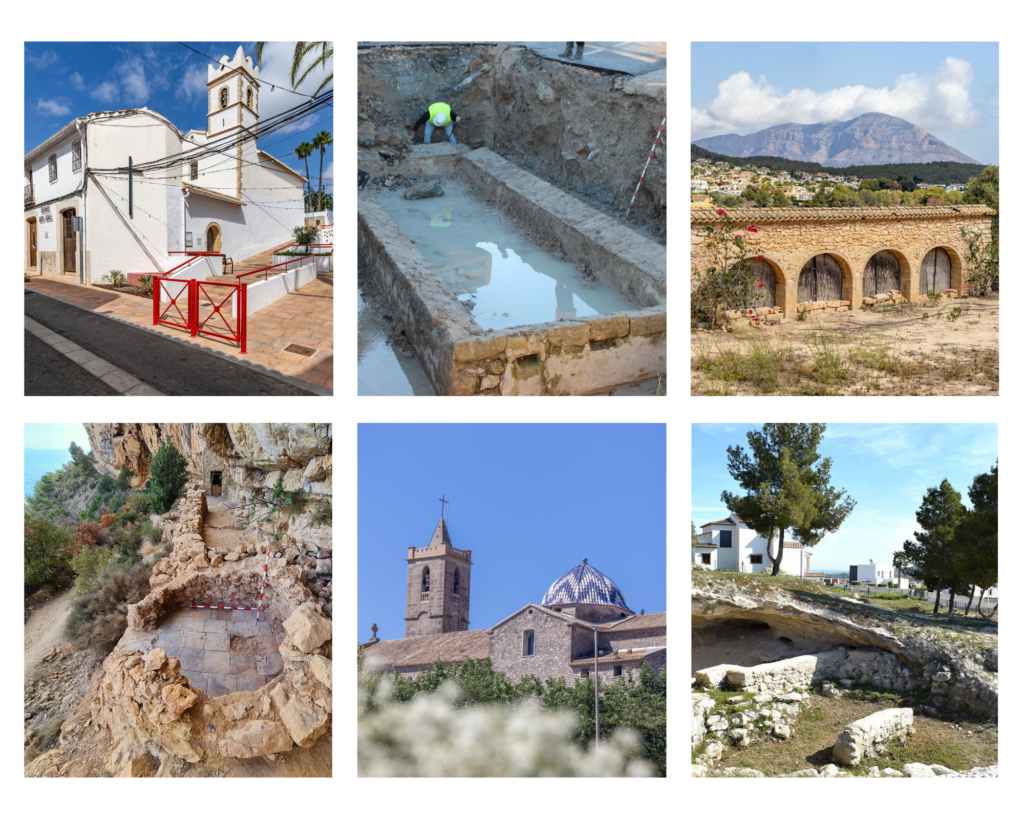
At last, El Poble Nou de Benitatxell has given names to all of its significant heritage sites, of which there are many. The municipal council, through a plenary session, has unanimously and provisionally approved the Catalogue of Protected Assets and Sites of El Poble Nou de Benitatxell, which has already been sent to the Regional Ministry of Culture. It is the first such catalogue that the municipality will officially have.
This extensive document, which identifies, describes and protects the municipality’s historical, cultural and architectural patrimony in its 463 pages, is a key instrument for municipal planning and management. In other words, it is the cornerstone that brings together all those places, buildings or elements that have a special value for the history, collective memory and culture of El Poble Nou de Benitatxell, and which must be protected to prevent them from being lost or deteriorating over time.
The catalogue not only serves to protect our heritage, but is also a reference document for urban planning and municipal management. In addition, it promotes knowledge and education about local history, reinforcing the identity and collective memory of the town.
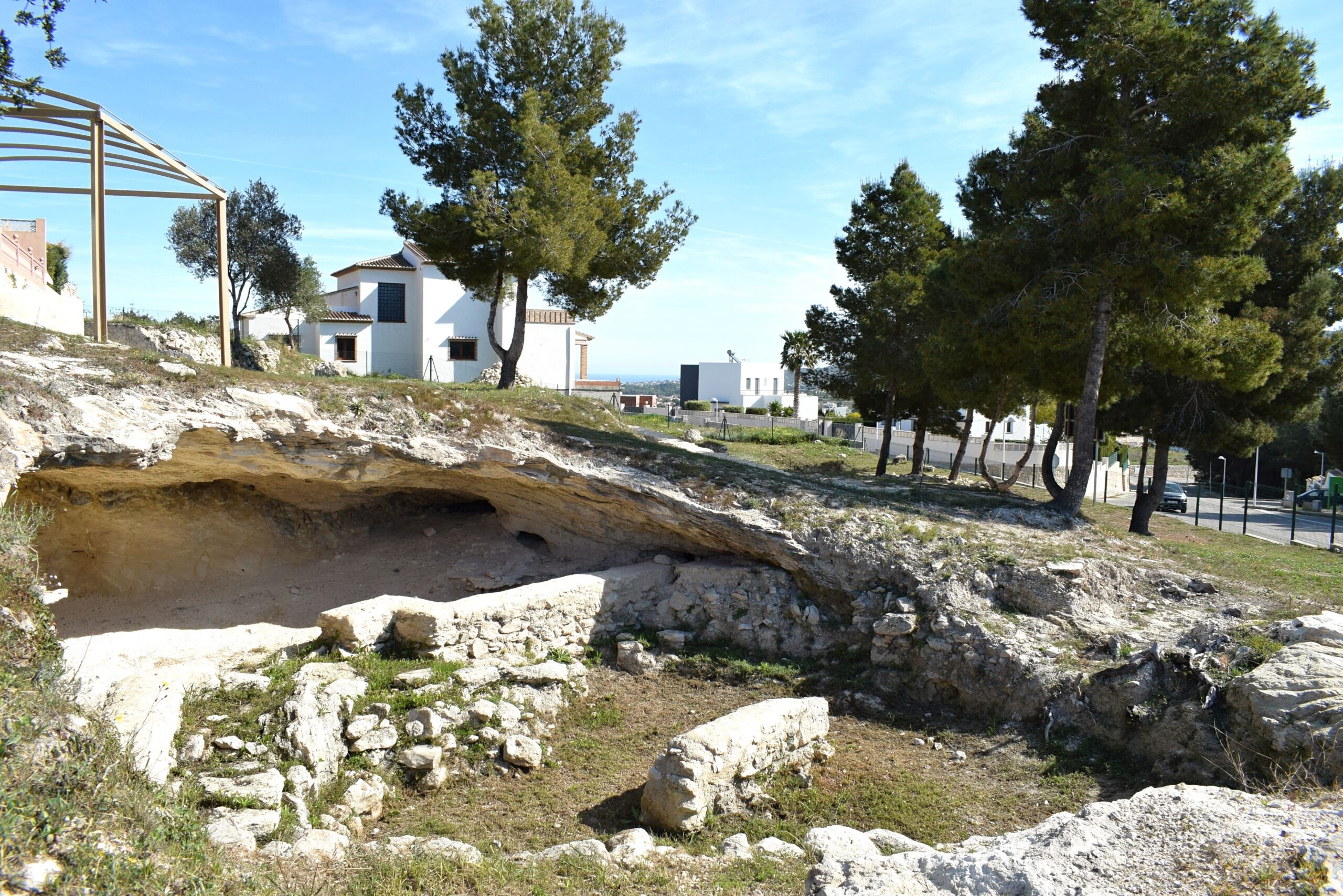
The catalogue identifies dozens of elements: from archaeological sites dating back to the Palaeolithic era to the very streets of the municipality that shape its current identity.
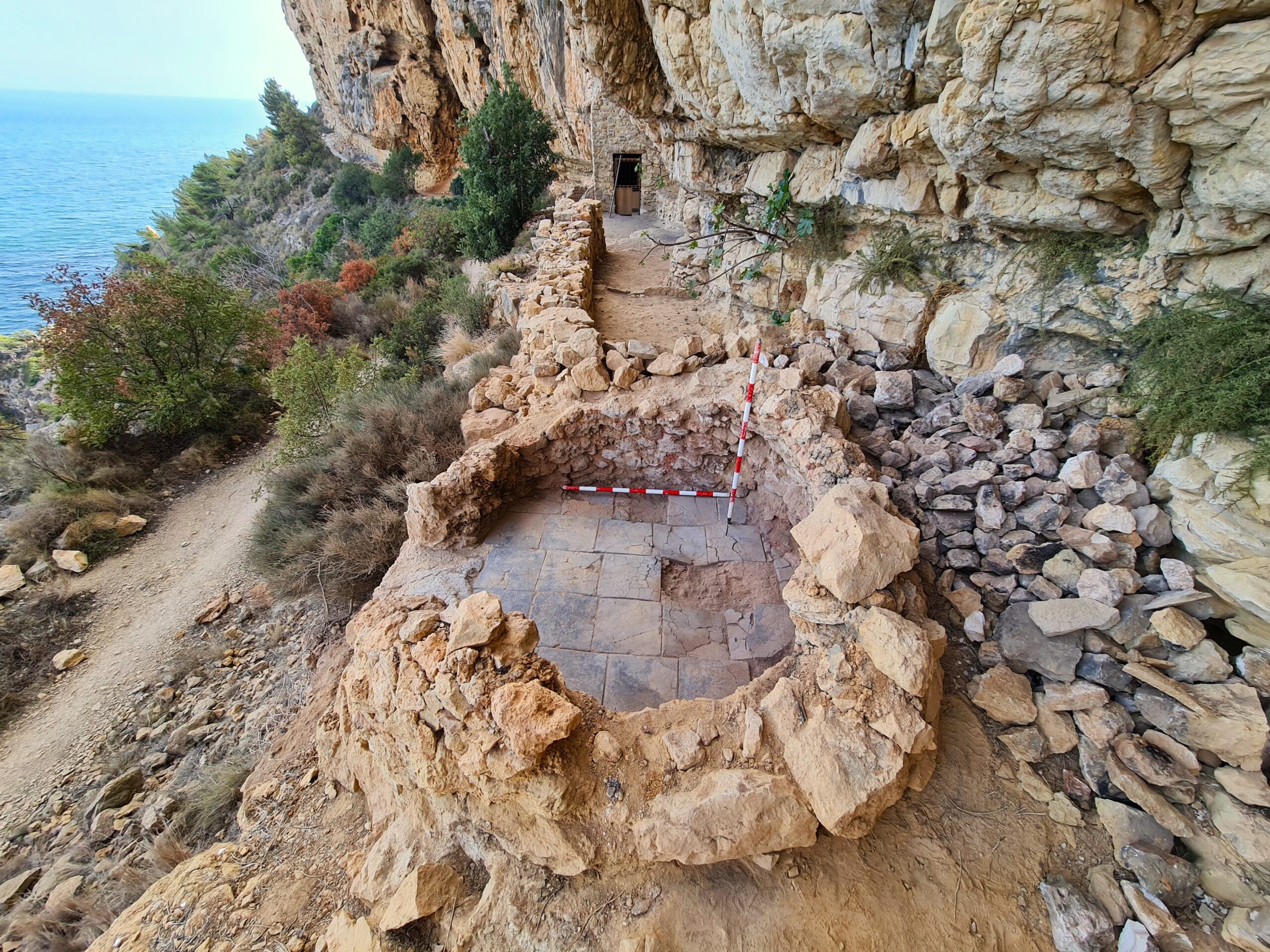
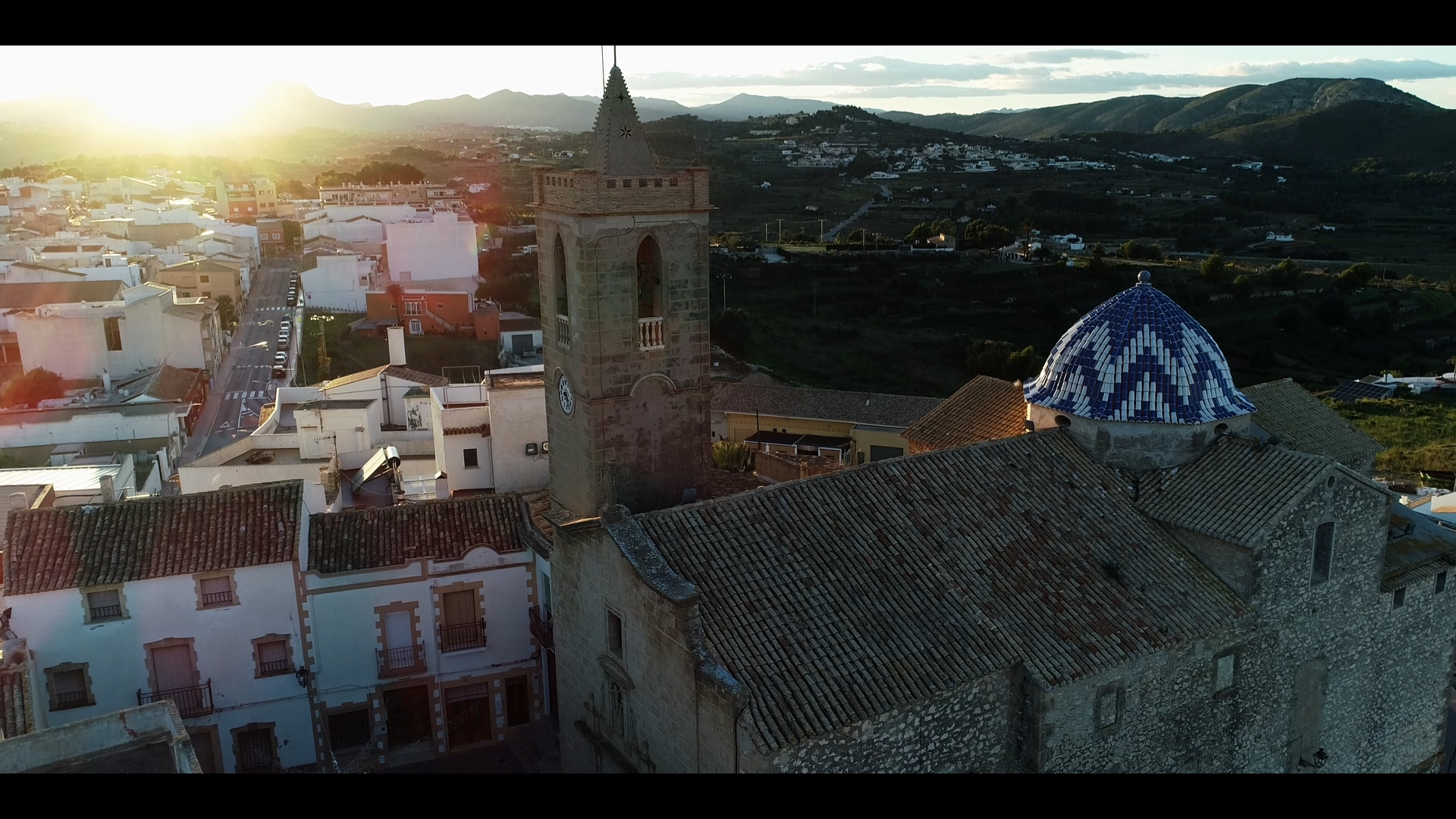
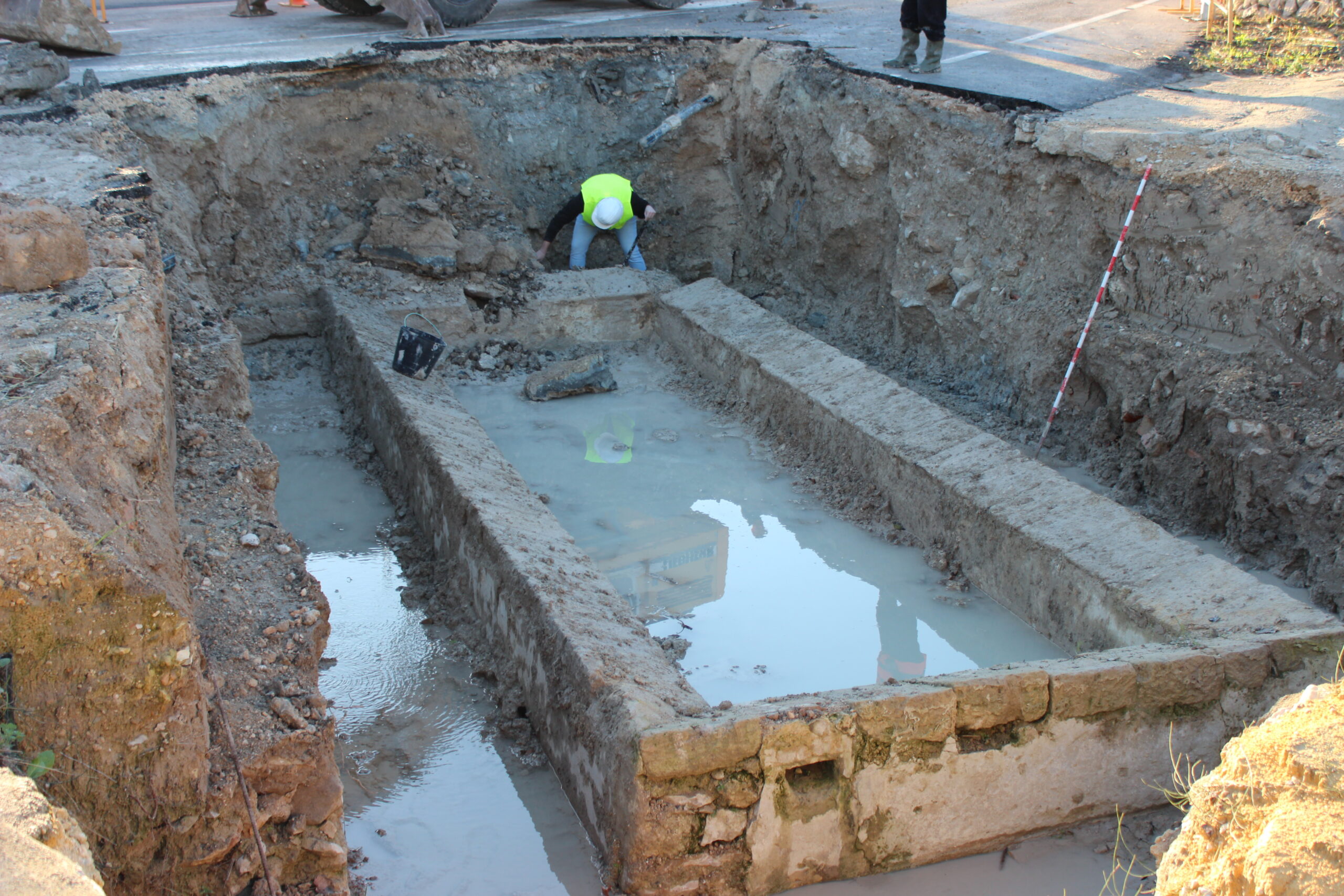
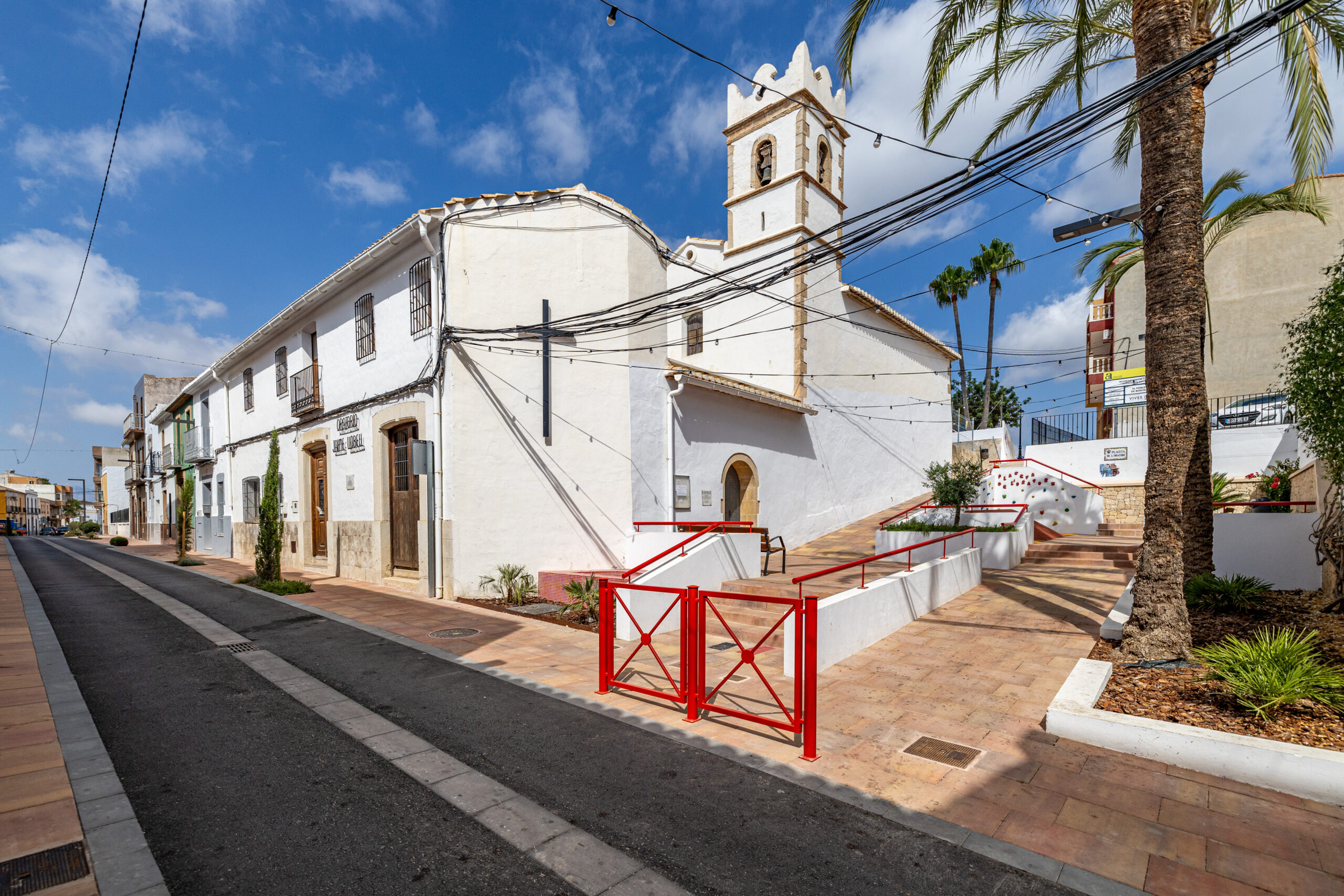
Without a doubt, some of the most relevant are the Cova de les Bruixes archaeological site; the recently restored Abiar washing place, which has just completed the project design phase for its restoration and enhancement; Santa María Magdalena Parish Church, Jaime Llobell Oratory and Cervera Cinema-Theatre.
In the case of Les Pesqueres de Cingle, as tools and elements such as reed fences deteriorate over time, the best way to preserve their tradition was to classify them as Intangible Assets of Local Relevance, since intangible assets are those that are expressed through knowledge, customs, traditions, celebrations, music, crafts or ways of relating to the environment.
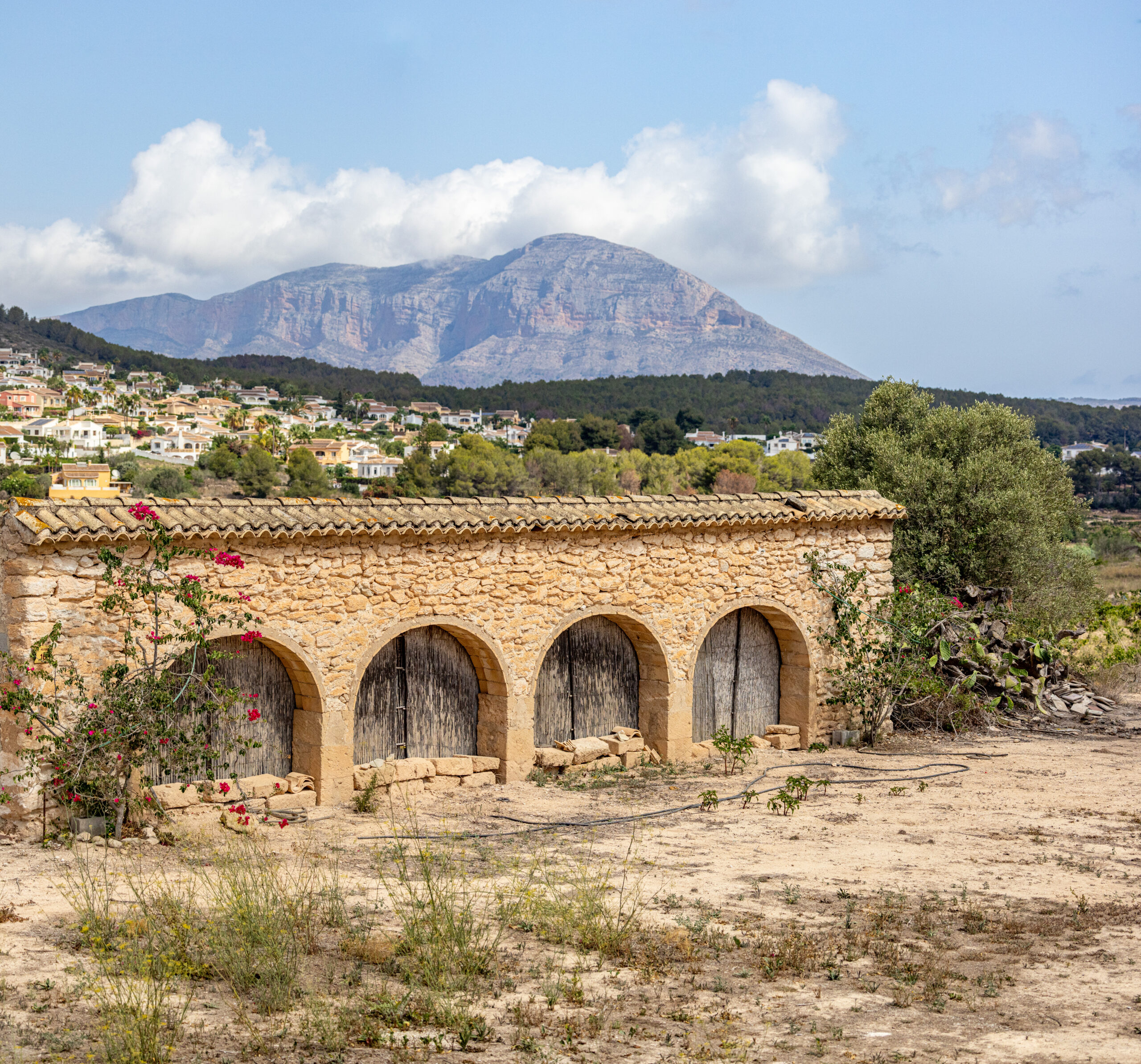
It is also worth highlighting all the elements related to the production and processing of raisins and Muscat grapes, especially the terraces built using dry stone techniques and the riuraus.
«With the approval of this Catalogue of Protected Assets and Spaces, we are taking a decisive step forward for our municipality. It is not only the fulfilment of a legal obligation, but also a firm commitment to our identity. By officially recognising what makes us unique, we guarantee that our historical and cultural wealth will be passed on intact to future generations. This document is the roadmap for balanced development, where progress and respect for our environment go hand in hand,» said Councillor of Patrimony, Victor Bisquert.