- The municipality has accumulated a five-point reduction in six years, going from 0.85% in 2019 to the current 0.80%.
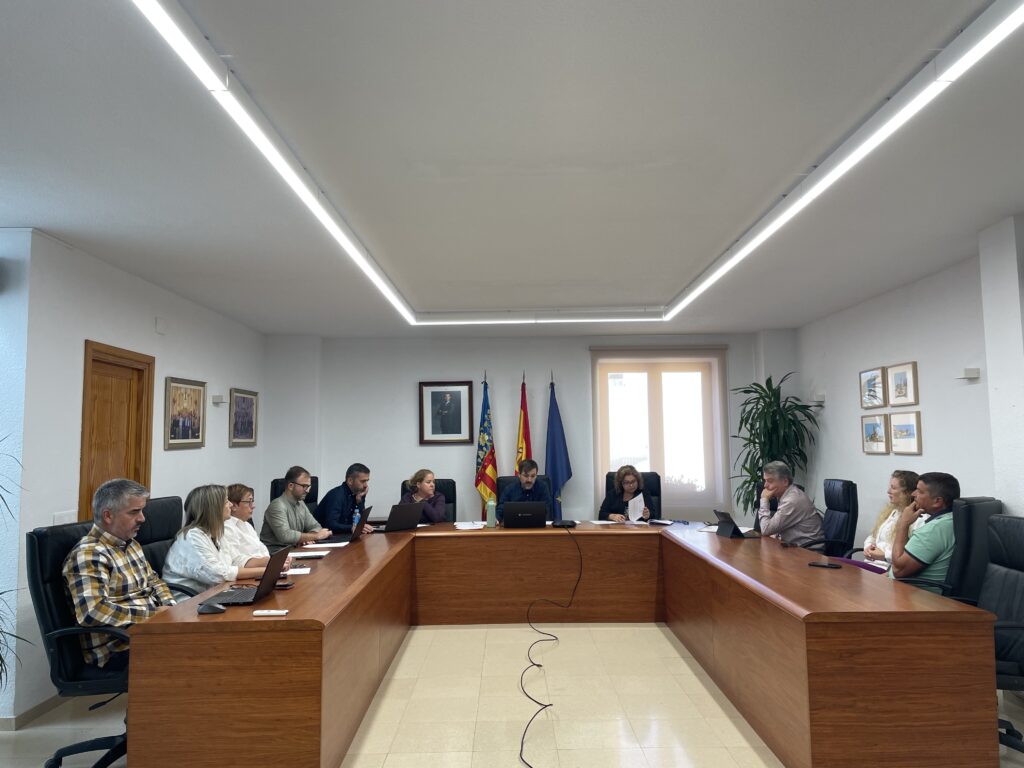
The Council of El Poble Nou de Benitatxell lowers the IBI. At an extraordinary plenary session held on Friday, a provisional agreement to amend the tax ordinance regulating property tax was approved with the votes of all those present (7 from Més Benitatxell and 3 from REDcv; the PP did not attend), reducing the property tax rate from 0.82% to 0.80%.
This is the third reduction made by the current government team (Més Benitatxell) in the last six years. In 2019, there was a reduction from 0.85% to 0.83%; in 2024, the reduction was from 0.83% to 0.82%, and now it will go from 0.82% to 0.80%. The reduction will come into effect next year, in 2026.
Following the update of the general cadastral values report carried out by the Alicante Cadastral Territorial Management in 2024, the mayor, Miguel Ángel García, announced that this tax rate reduction would be applied progressively to cushion the rise in property values.
The value assessments set out the criteria for determining the cadastral value of each property. According to the legislation, they must be updated every 10 years or when there are substantial differences between market values and current cadastral values. And this scale had not been updated at El Poble Nou de Benitatxell since 1994, more than 30 years ago.
Some time ago, the Council detected significant tax imbalances between different areas of the municipality, which were causing tax injustices. After conducting checks, the Gerencia Territorial del Catastro (Territorial Cadastre Management) confirmed that there were numerous areas that were paying taxes well below others. Many homes had a cadastral value of 10% of their market price, when, according to legislation (Ministerial Order of 14 October 1998 on the approval of the M value module and the RM coefficient and on the modification of value reports), this value should be at least 50%.
Specifically in the Jazmines area, as confirmed to the Council by the Gerencia Territorial del Catastro (Territorial Land Registry Office), there were luxury homes with an average cadastral value of only 15% of their market value. For example, a €2 million villa that was only assigned a cadastral value of 15% of its market price (when it should be at least 50%) was failing to contribute €5,900 per year to the municipal coffers. On the other hand, at the other extreme, the town centre and the Pueblo Alcassar residential area were the only areas whose cadastral value was generally closest to the 50% parameter, although not entirely.
Until this year, this meant a significant reduction in the revenue that the Council received from property tax, which, according to the mayor, Miguel Ángel García, led to ‘an inability to keep up with maintenance and conservation demands’. Now, with the update of the general cadastral values and the reduction in the tax rate, ‘the Council is managing to bring its municipal coffers up to date’.