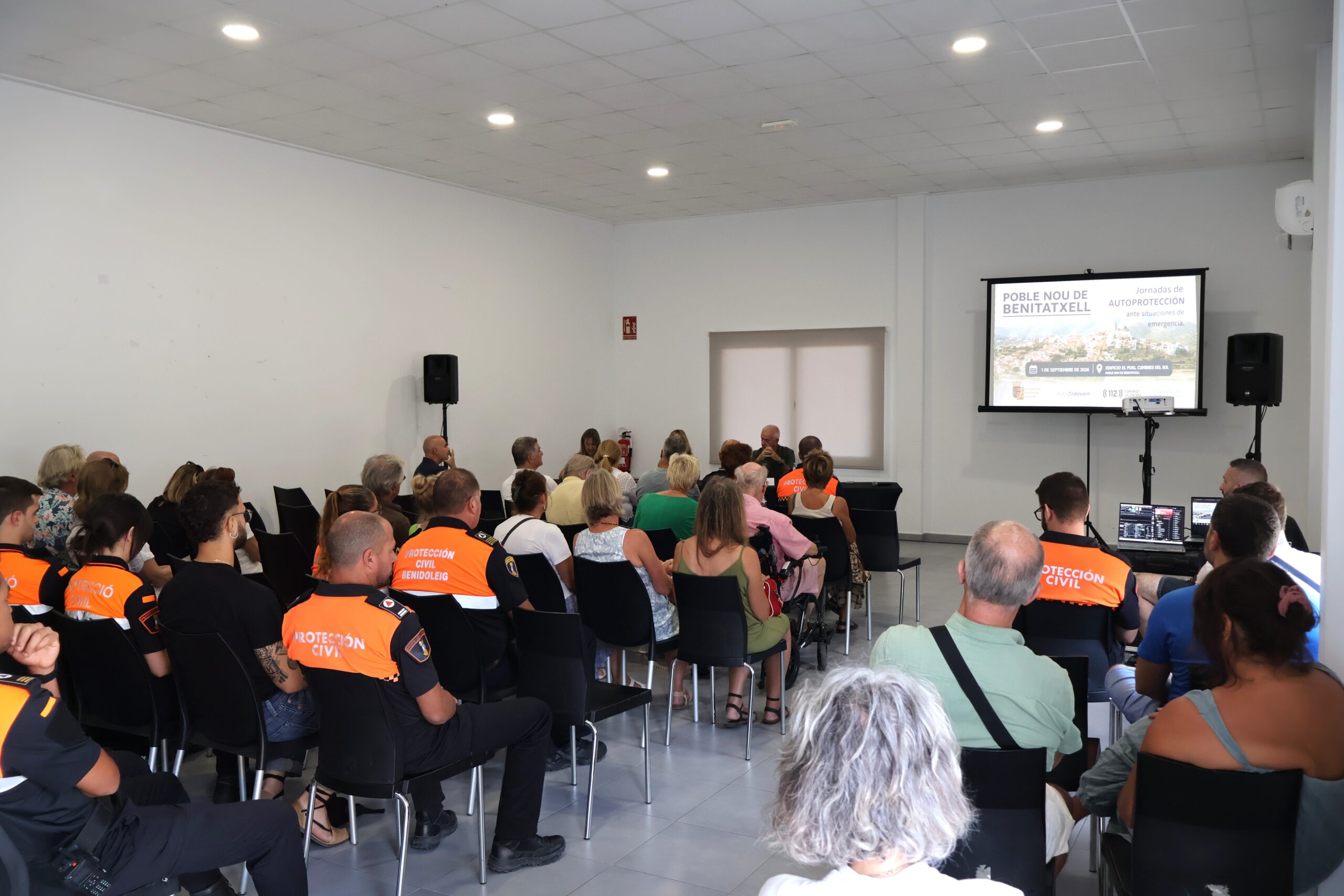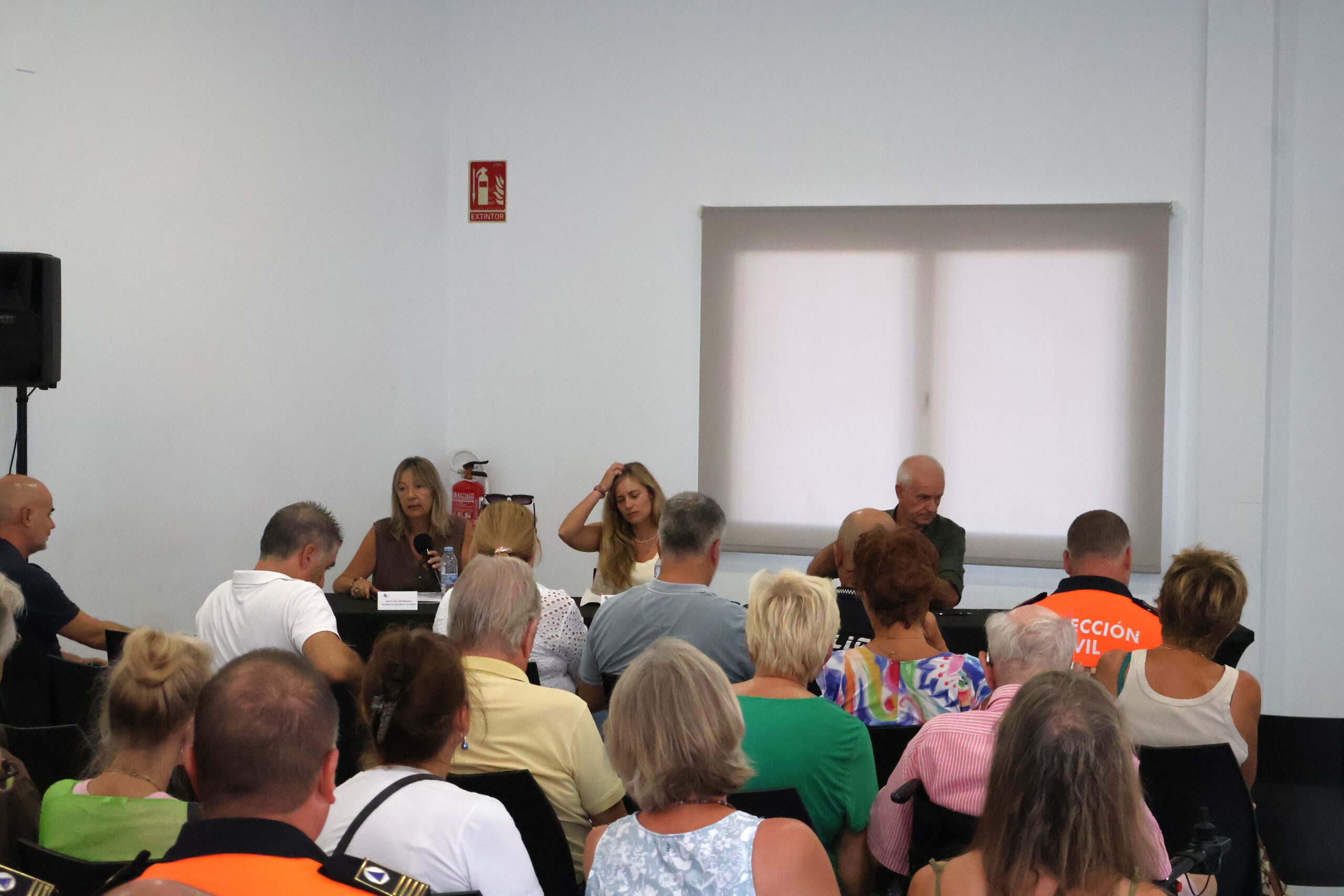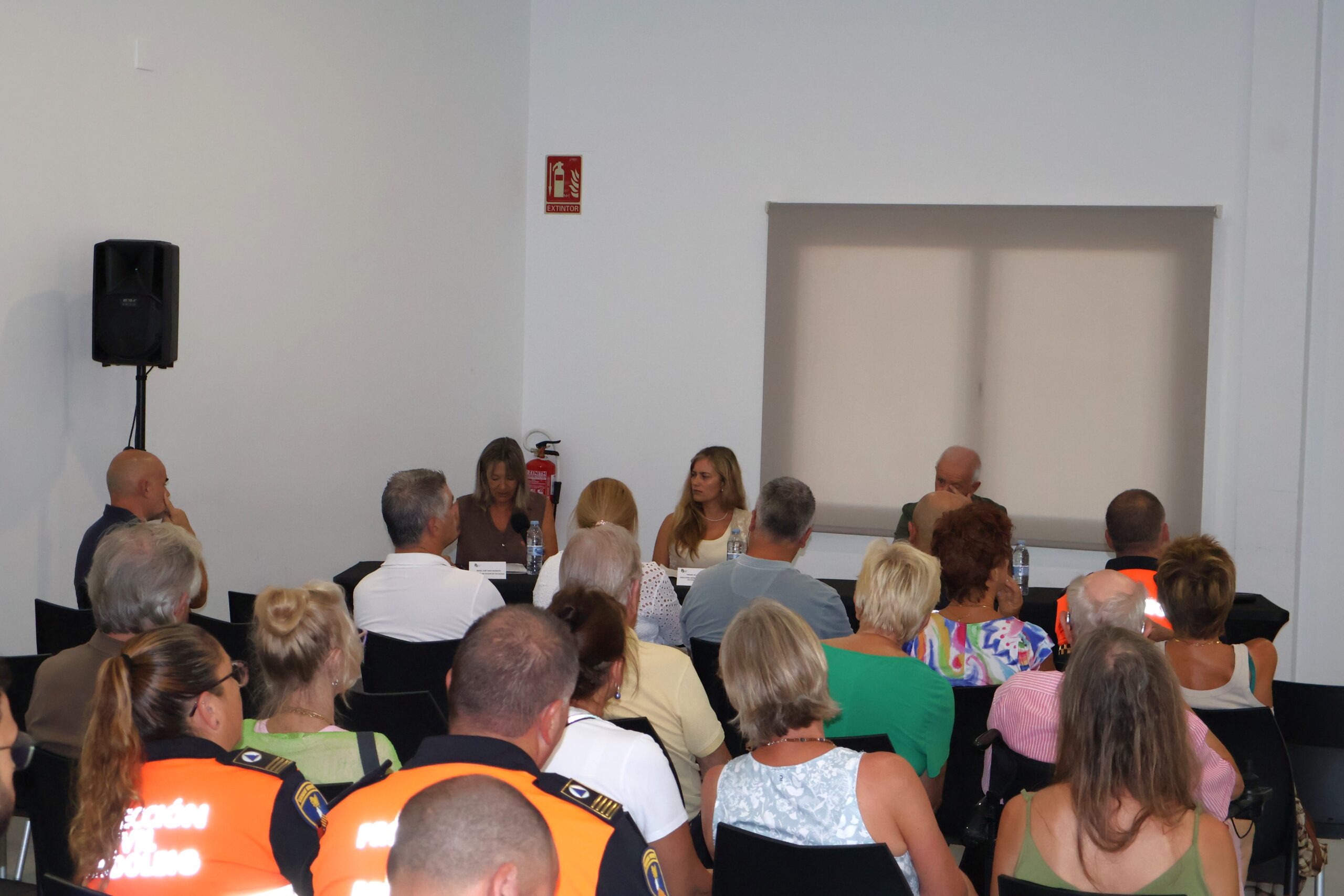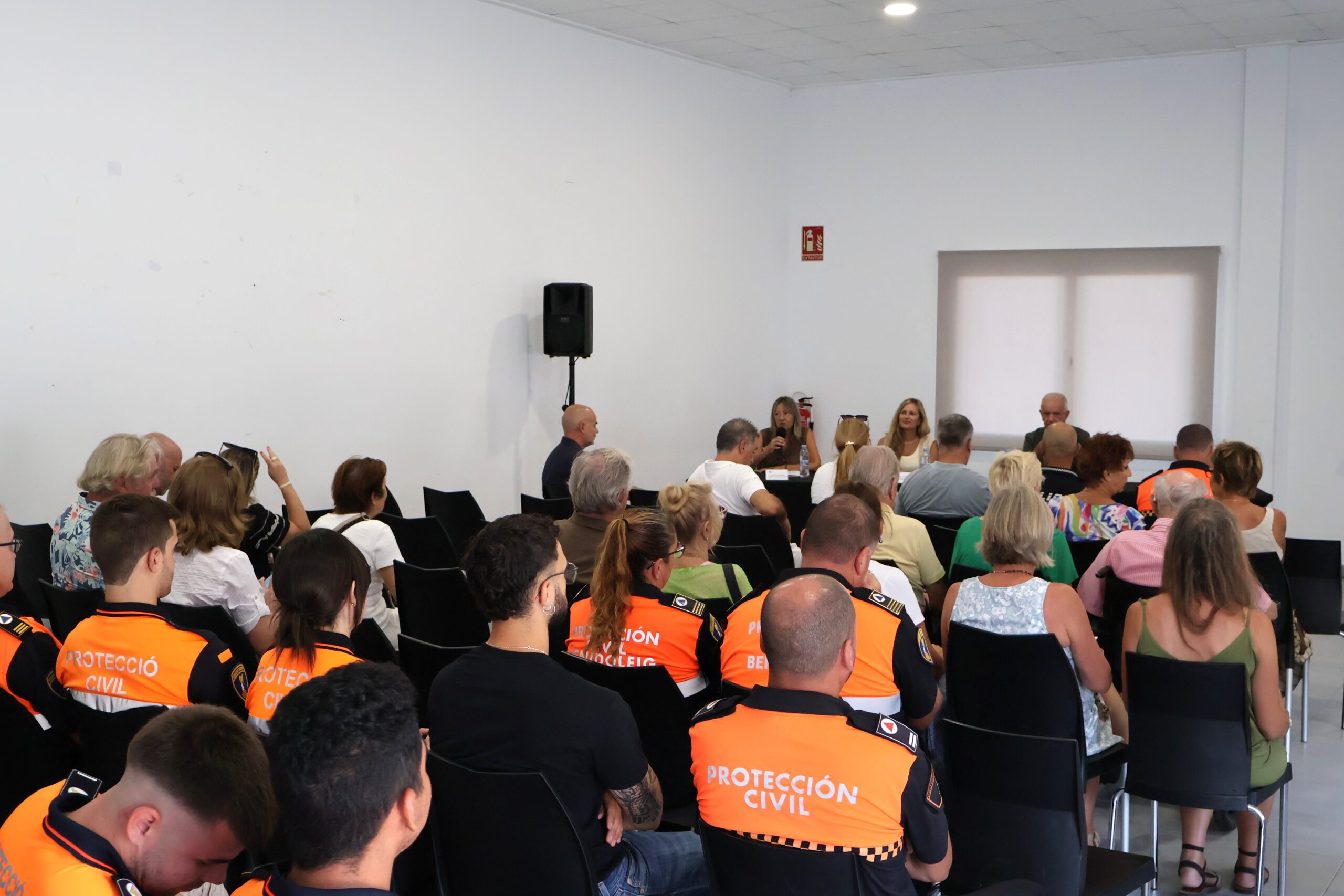


The El Puig Building at El Poble Nou de Benitatxell hosted yesterday, Tuesday, the ‘Self-Protection Day: Prevention against forest fires and emergencies’, an initiative of the Ministry of Emergencies and Interior of the Generalitat Valenciana. The municipality was chosen as the headquarters of La Marina Alta to host this training aimed to towns with less than 20,000 inhabitants, where the characteristics of the territory and the proximity to natural environments make citizen preparation vital.
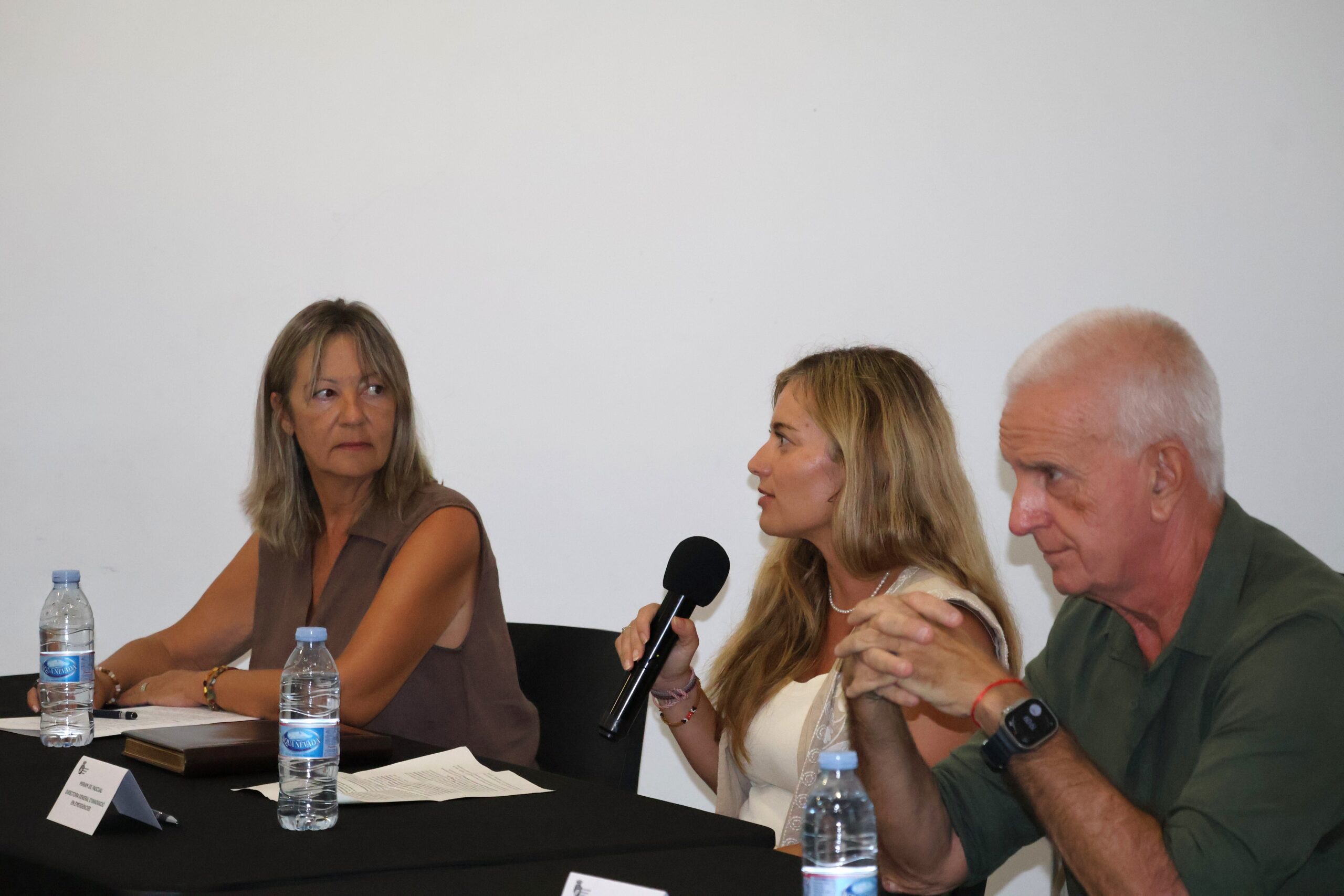
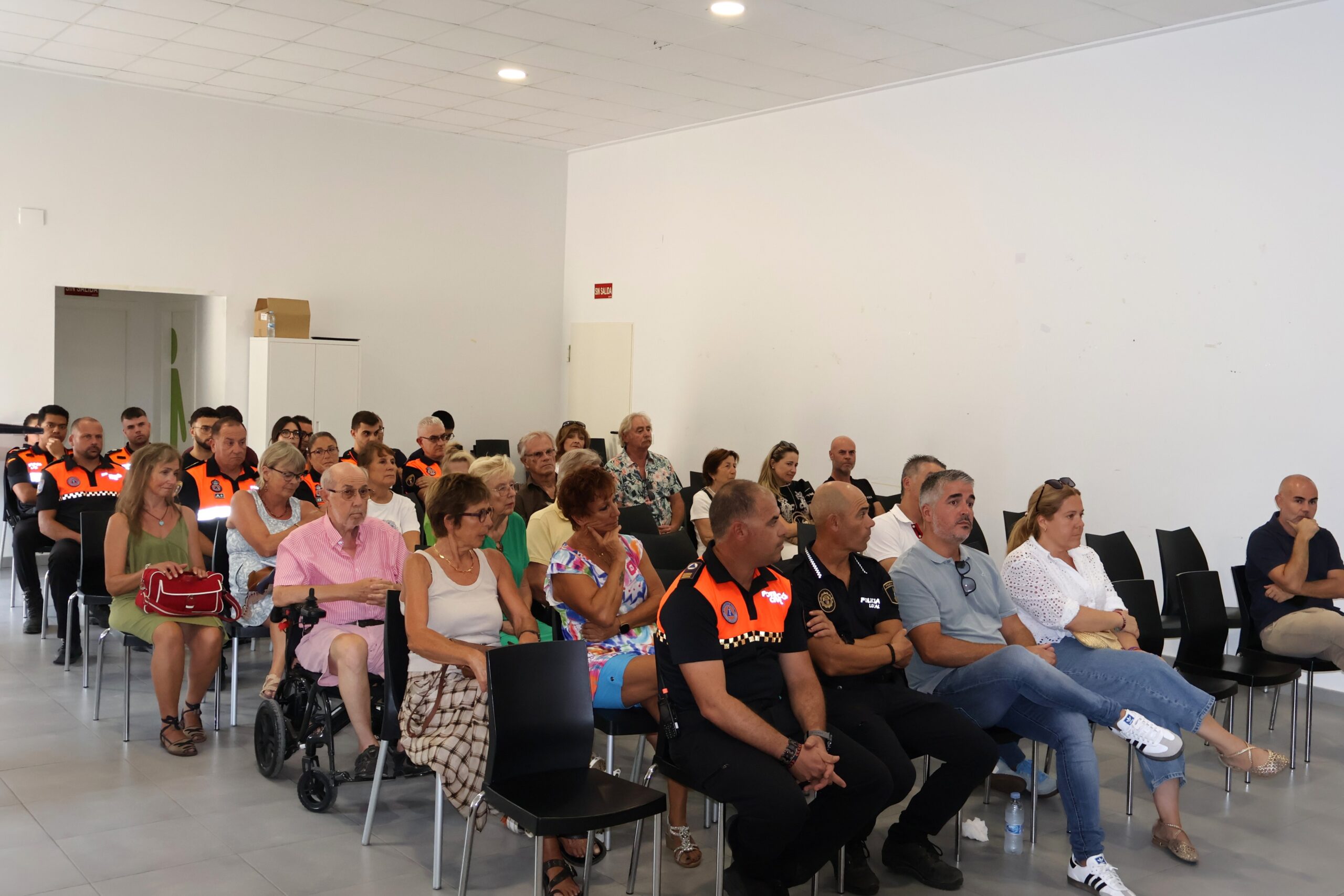
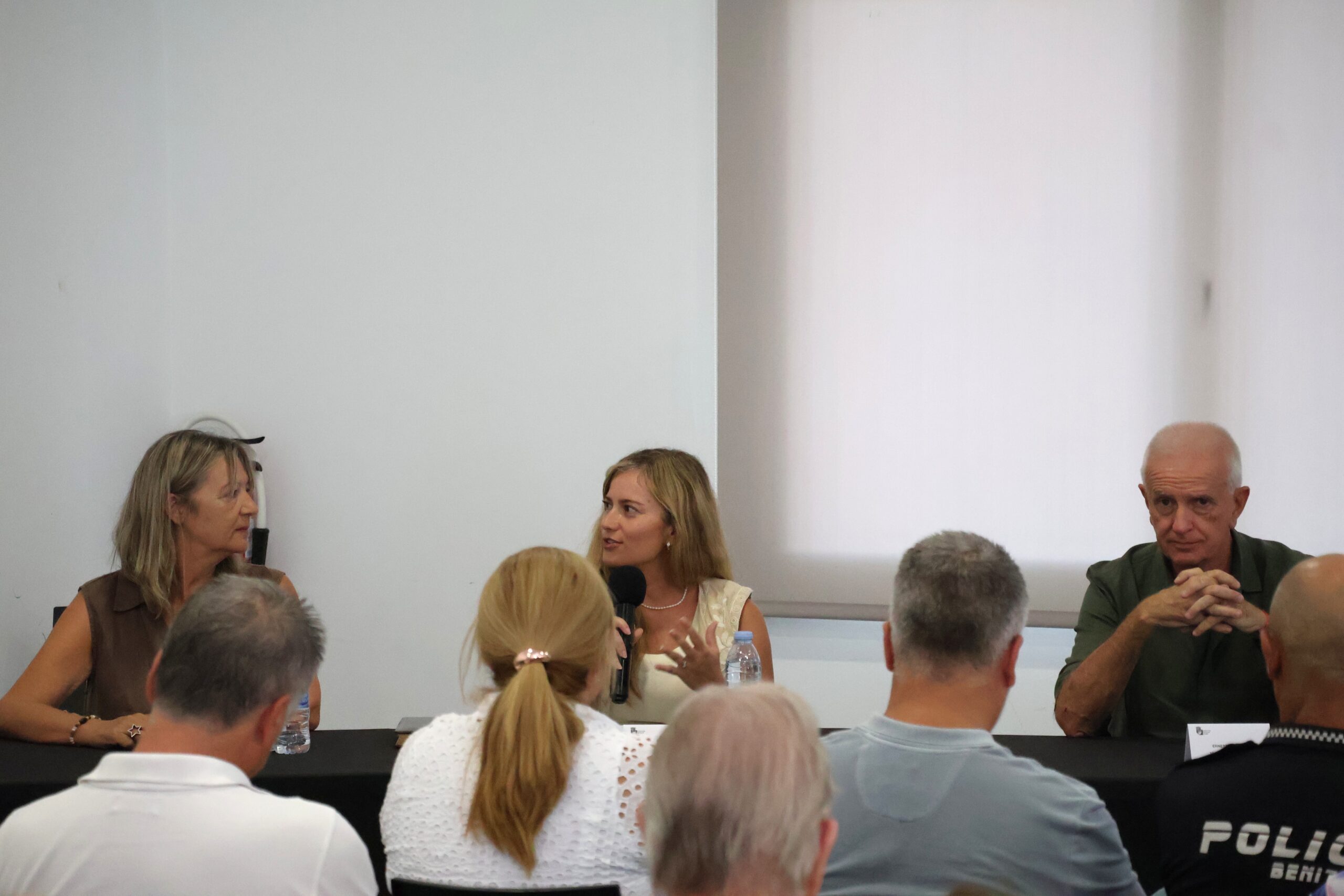
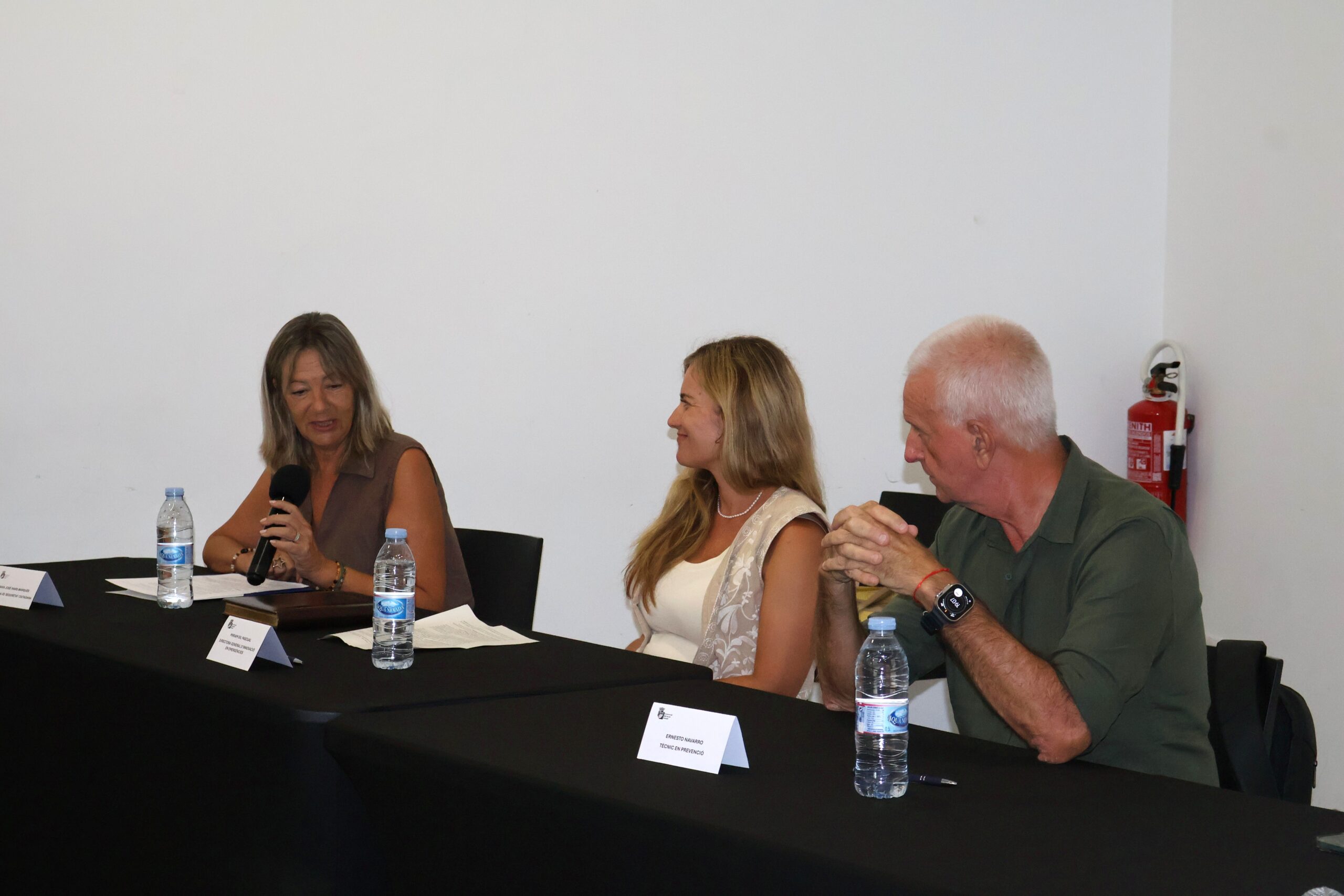
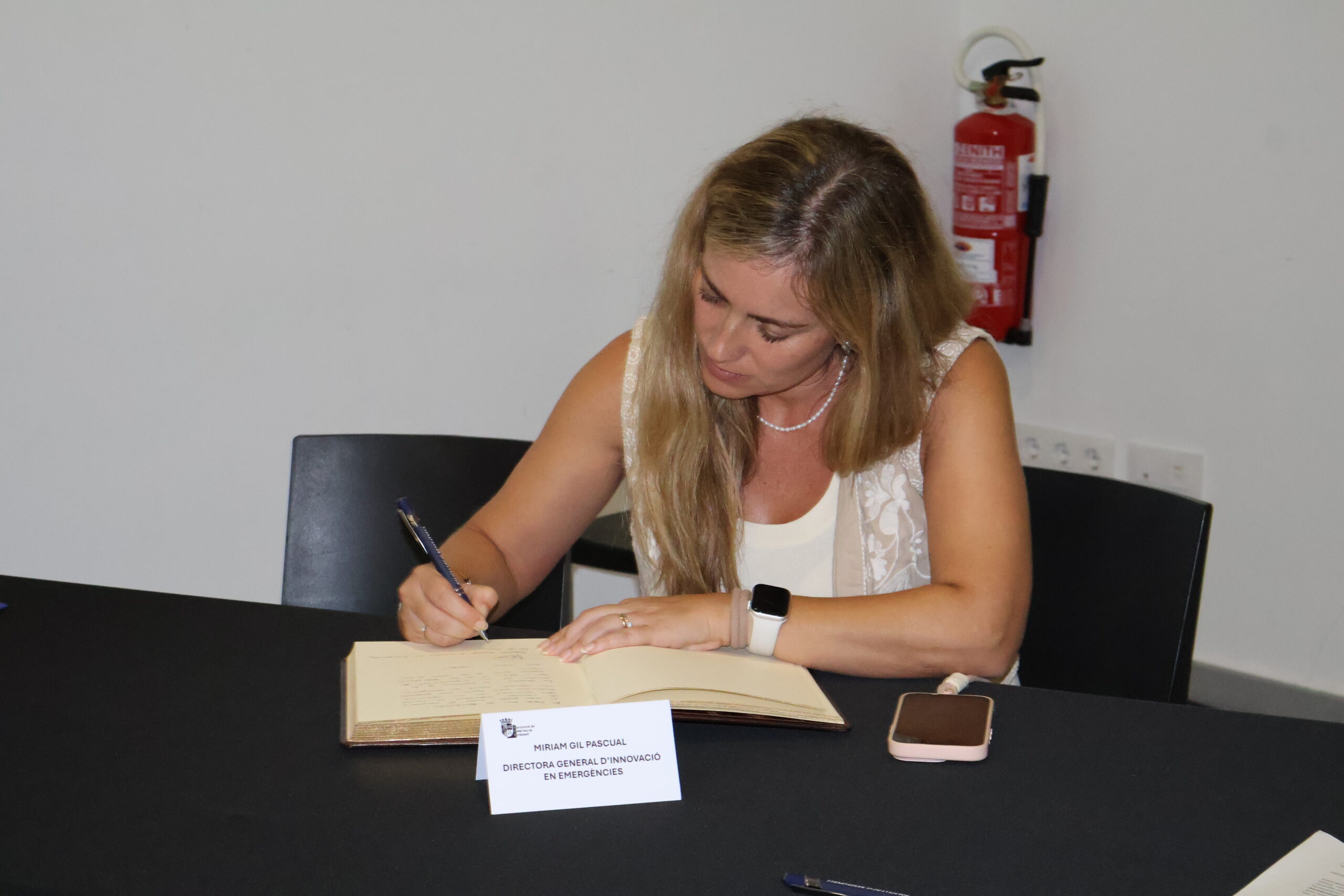
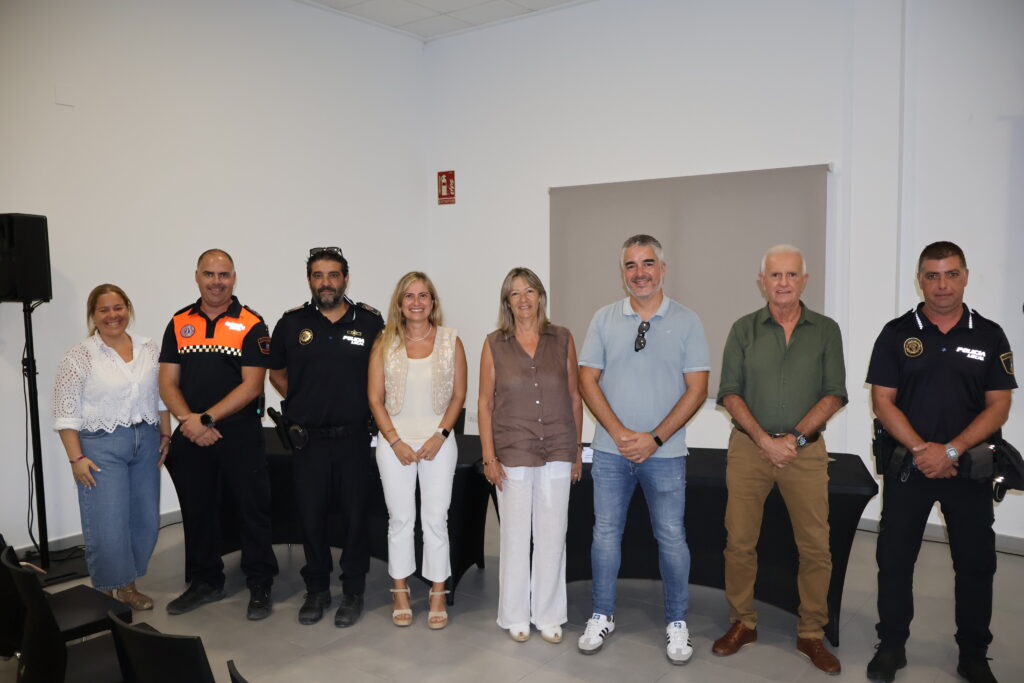
The event was attended by the Councillor of Citizens’ Security, María José Ivars, the general director of Innovation in Emergencies, Miriam Gil, and the emergency expert Ernesto Navarro, from the company EMERPROTEC, in charge of teaching the practical content. Regional authorities, representatives of the Civil Protection volunteers of Benitatxell and the region, members of the Local Police and neighbours also attended.
Prevention and self-protection start in every home
The Councillor of Citizens’ Security, María José Ivars, was in charge of welcoming the attendees, thanking the work of the security forces and volunteers, as well as the presence of the general director: «As a villager, it is a pride to have you here in your home, Miriam, and we thank you for choosing El Poble Nou de Benitatxell as the regional headquarters to host this day».
Ivars highlighted the constant work of the Council in terms of prevention: «We work side by side with the local emergency bodies. Good examples are actions such as the signage of the 5 meeting points in case of emergency in the municipality, the more than 1,100 hours of forest surveillance carried out by Civil Protection or the smart sensors to detect fires».
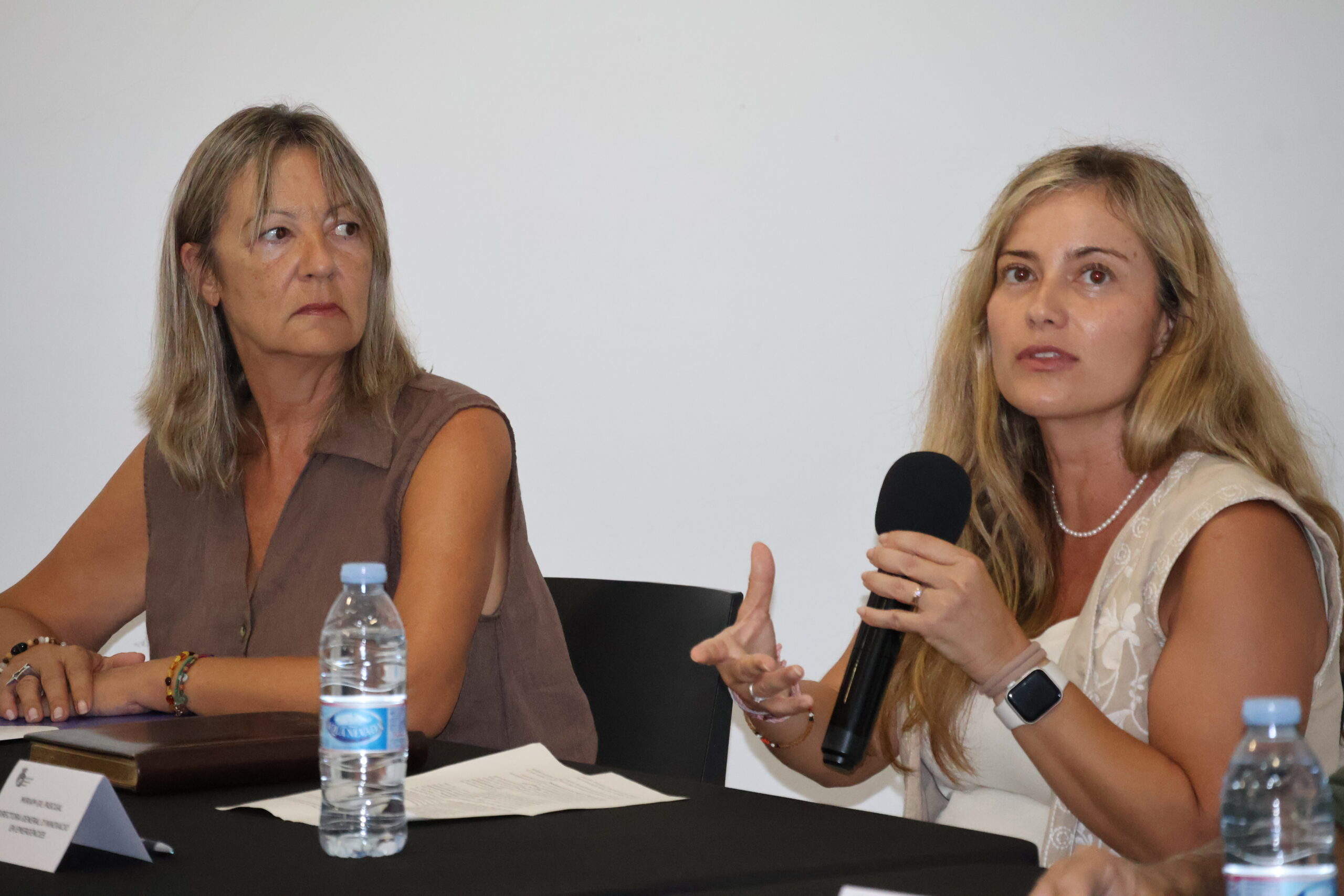
For her part, the general director of Innovation in Emergencies, Miriam Gil, explained that the choice of El Poble Nou de Benitatxell responds to the reality of its territory. The municipality has an important urban-forest interface, with many houses scattered near vegetation masses and a high density of villas, in addition to being exposed to other phenomena such as torrential rains, strong gusts of wind or heat waves, which makes it vital to provide citizens with tools for action.
Practical guidelines and tips to deal with any emergency
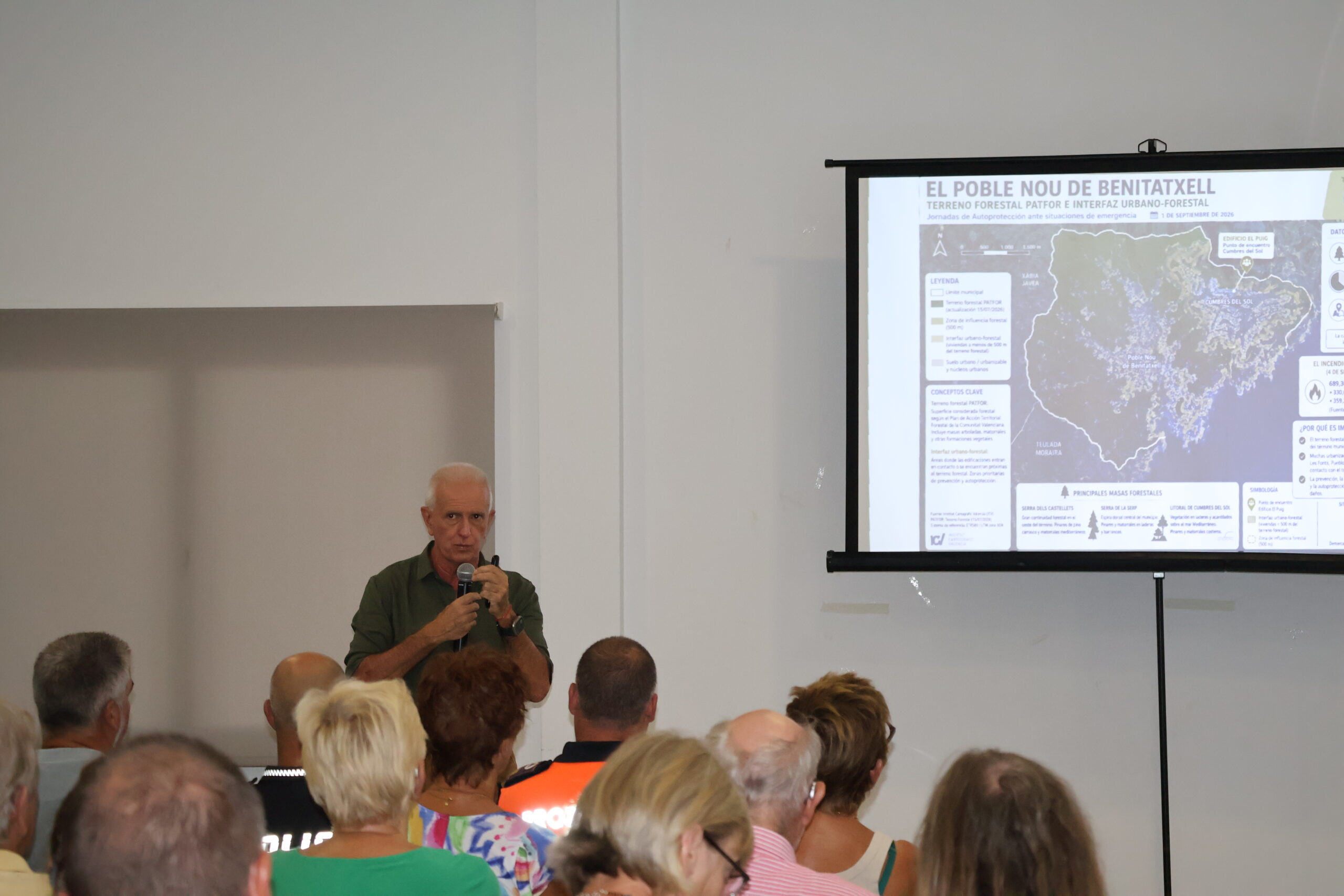
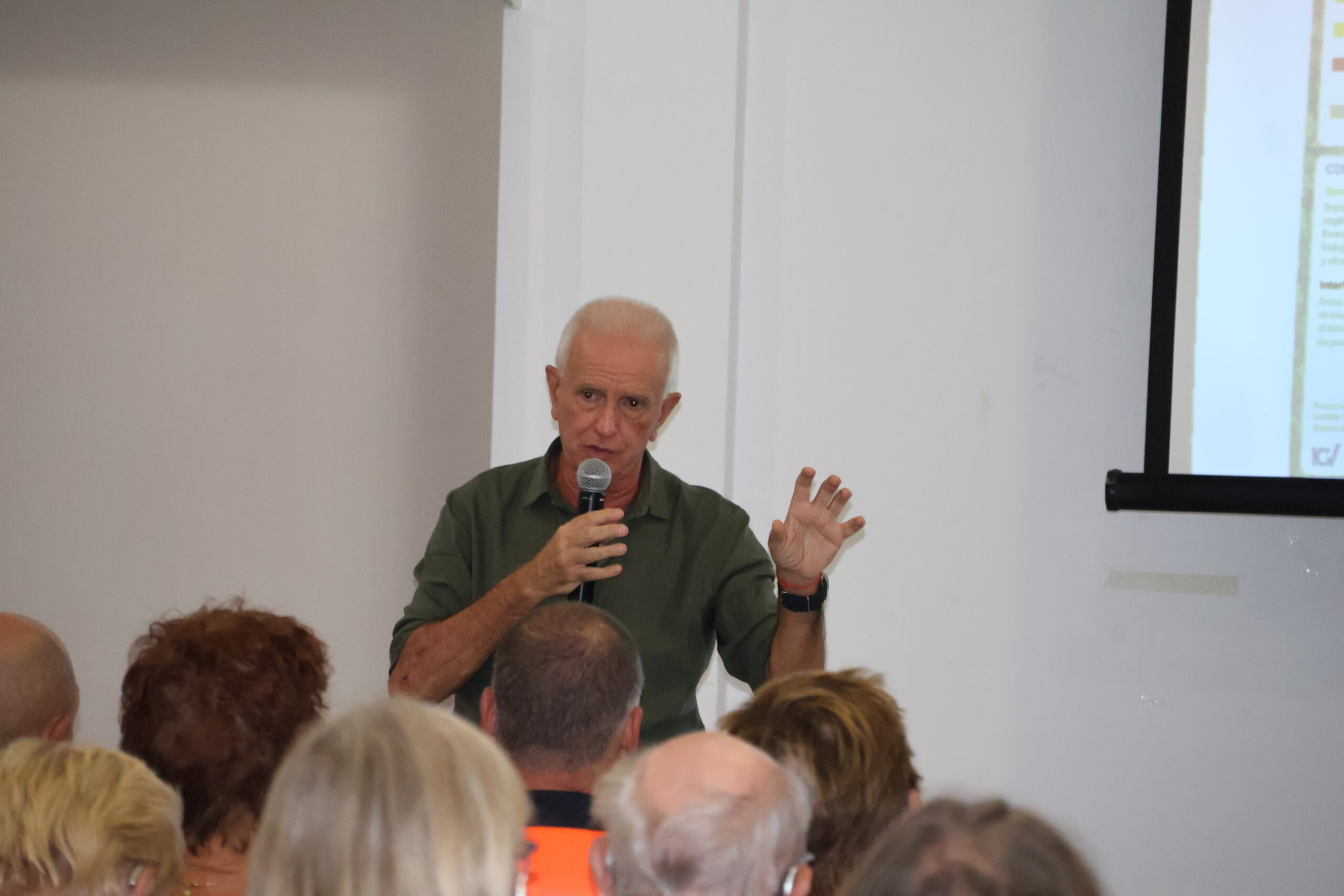
The central block of the day, led by Ernesto Navarro, addressed how to act before, during and after risk situations such as fires, floods, thunderstorms, winds, earthquakes or domestic emergencies. Navarro stressed that «the most important thing in all emergencies is self-protection», because not all of them require the same actions and emergency vehicles will not always be able to arrive immediately. The expert expressly praised the municipal work in El Poble Nou de Benitatxell for the signposting of the 5 meeting points by areas to go to when there is a catastrophe or emergency, describing it as «excellent work».
In the field of forest fires, Navarro warned about current risk factors such as the processionary plague – which dries out trees and increases their combustibility – and stressed that «90% of fires do not start in the mountains, but in agricultural areas or abandoned and neglected plots, that is, in the perimeter area». On the management of these private plots, he recalled the complexity of the administrative procedures and coercive fines that municipalities must process before being able to act ex officio, insisting that the best tool is professional preventive forestry.
Likewise, the importance of having a municipal vulnerability map updated annually to immediately attend to the elderly or people with reduced mobility was recalled, and the key role of early warning and the responsible use of 112 and the APP 112 GVA was recalled.
To close, Navarro sent a strong message about personal safety in the event of evacuation: «When in a fire you have to leave the house, you must follow the instructions of the emergency corps and do it immediately; if you do not leave your home, you can give your life.»