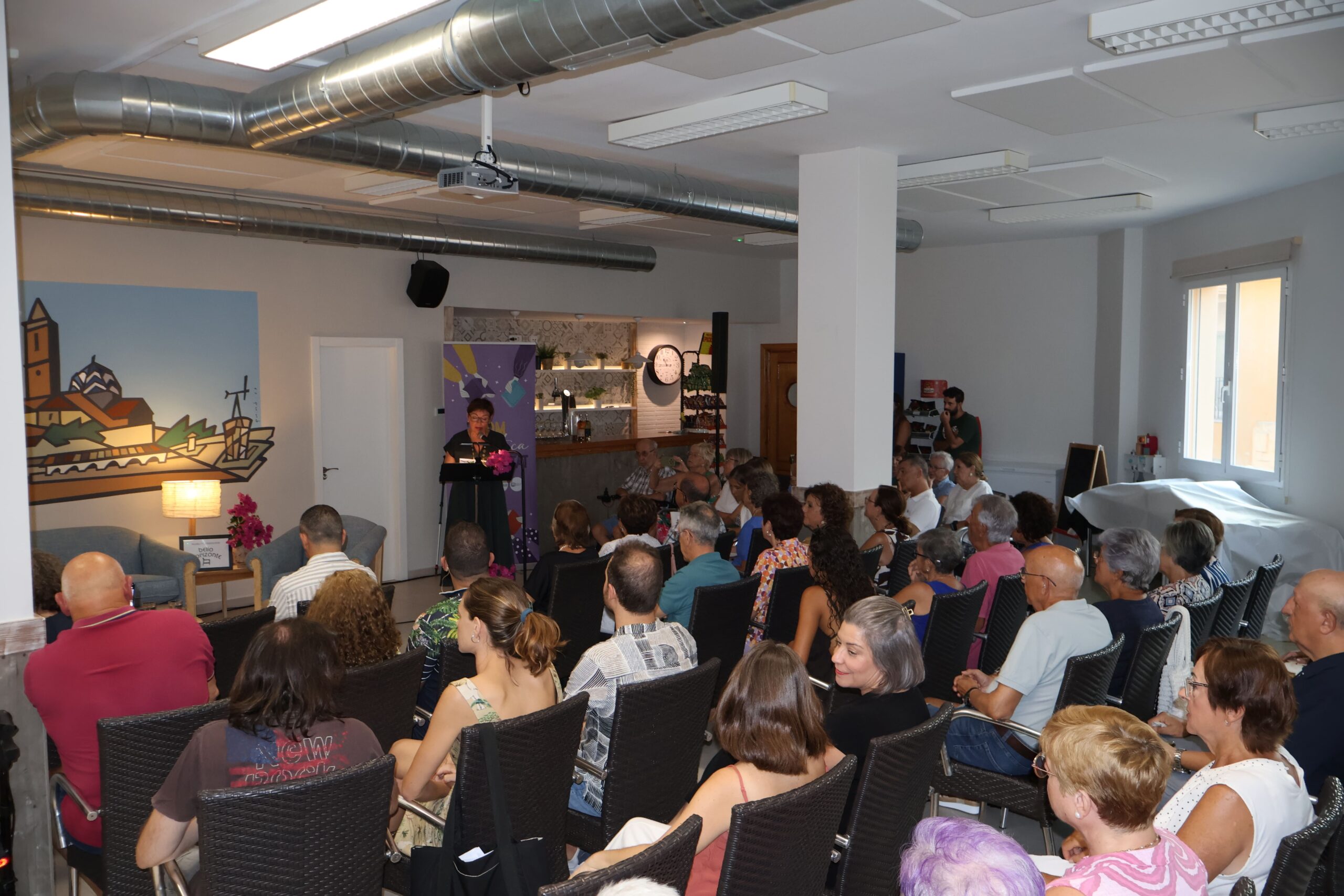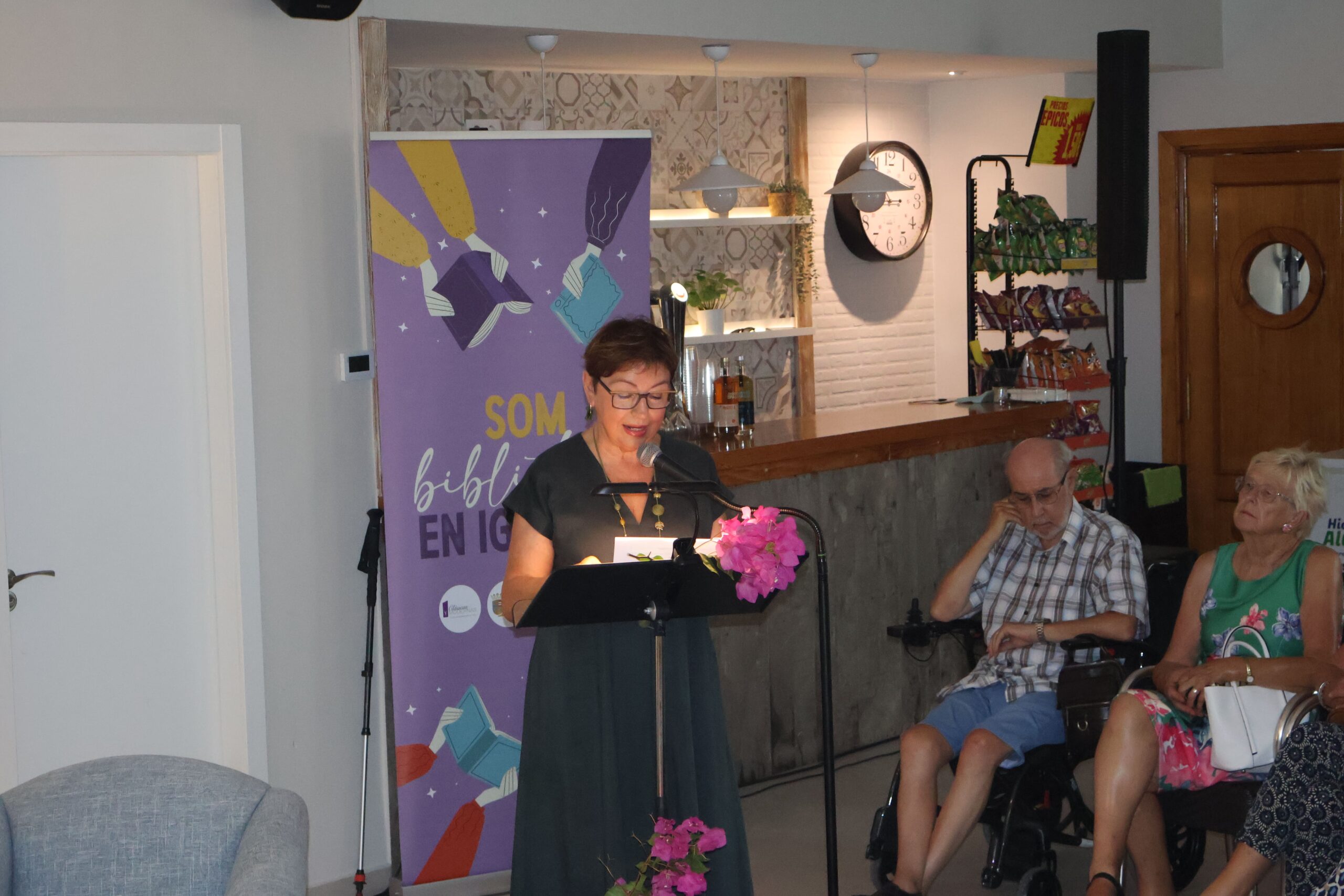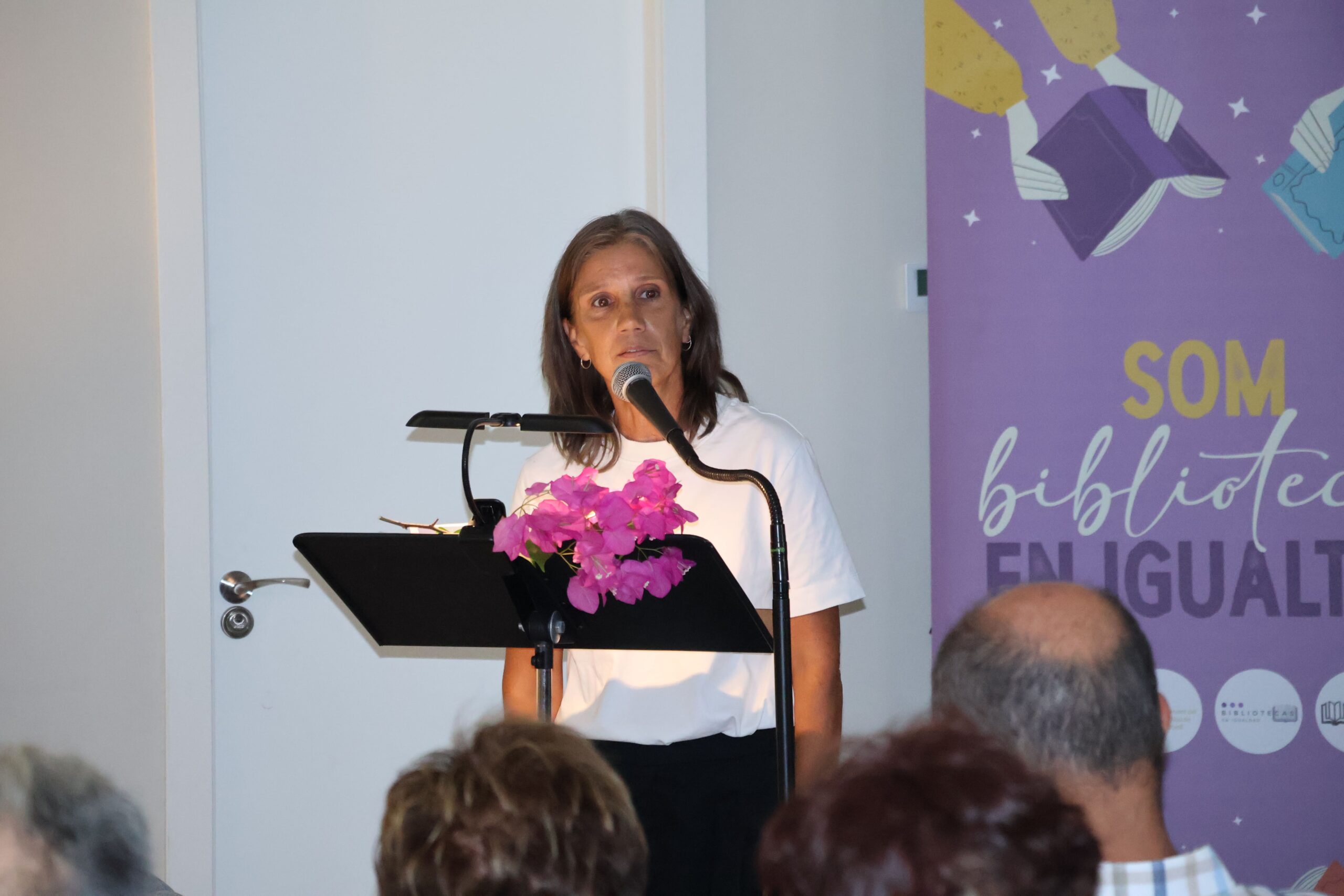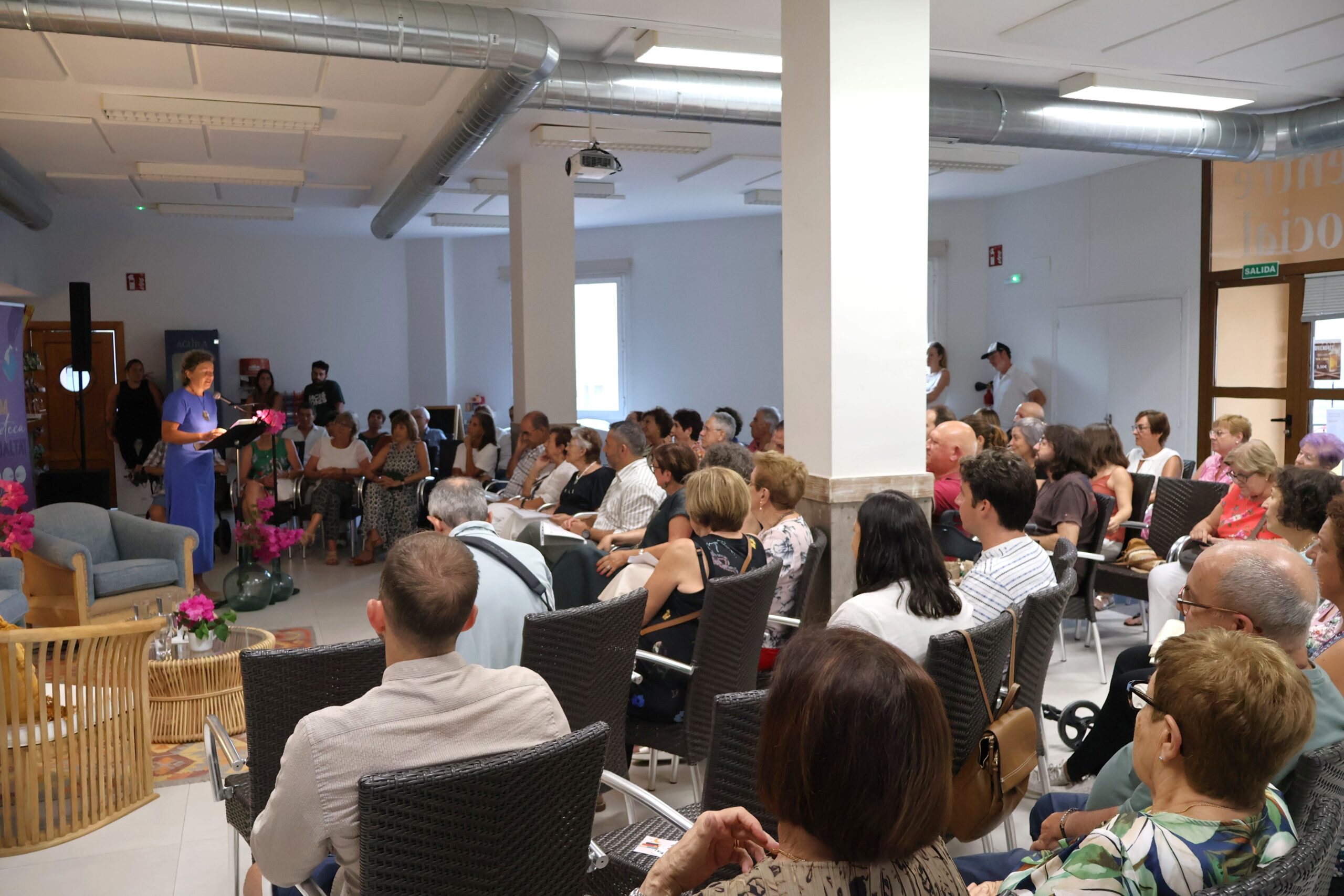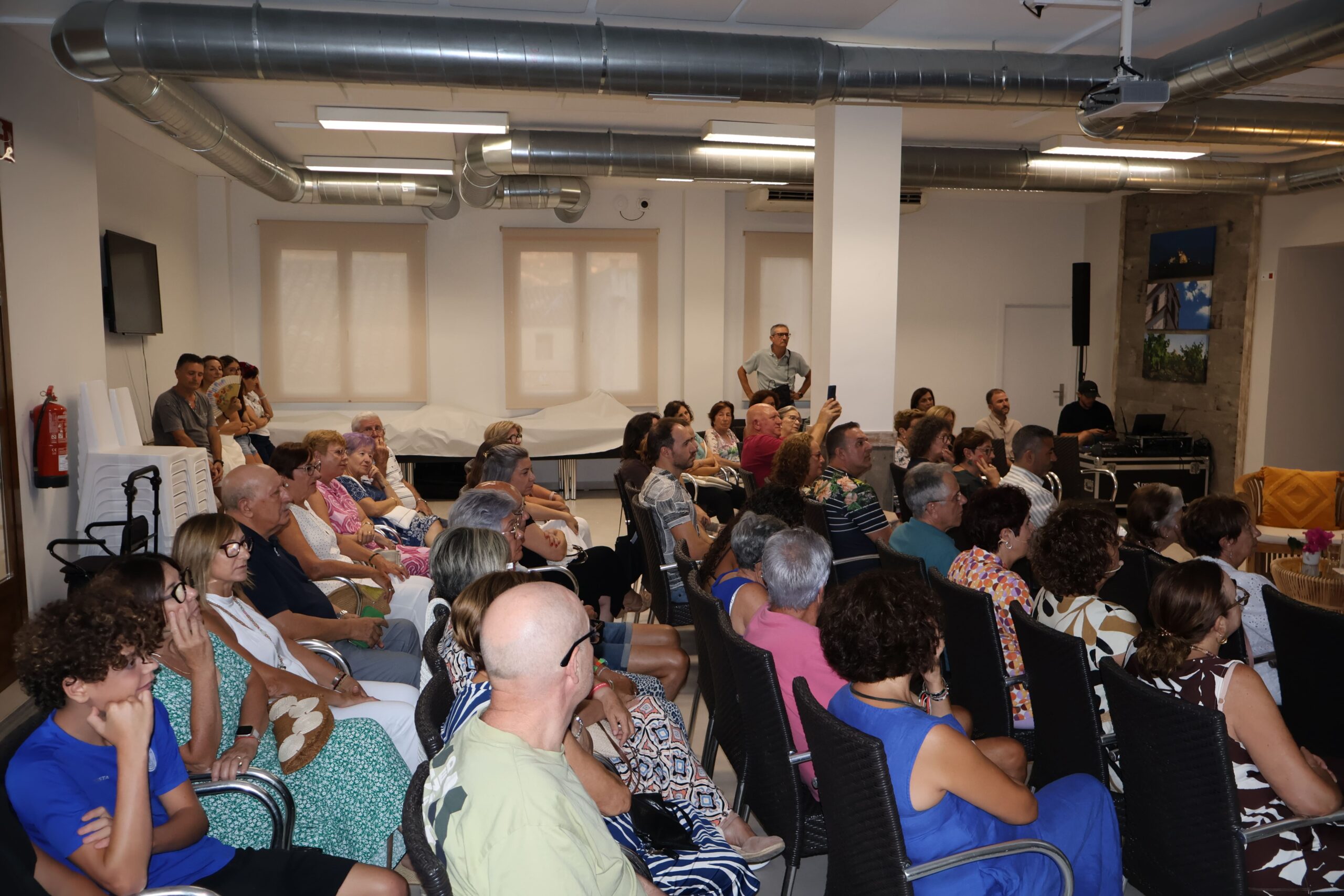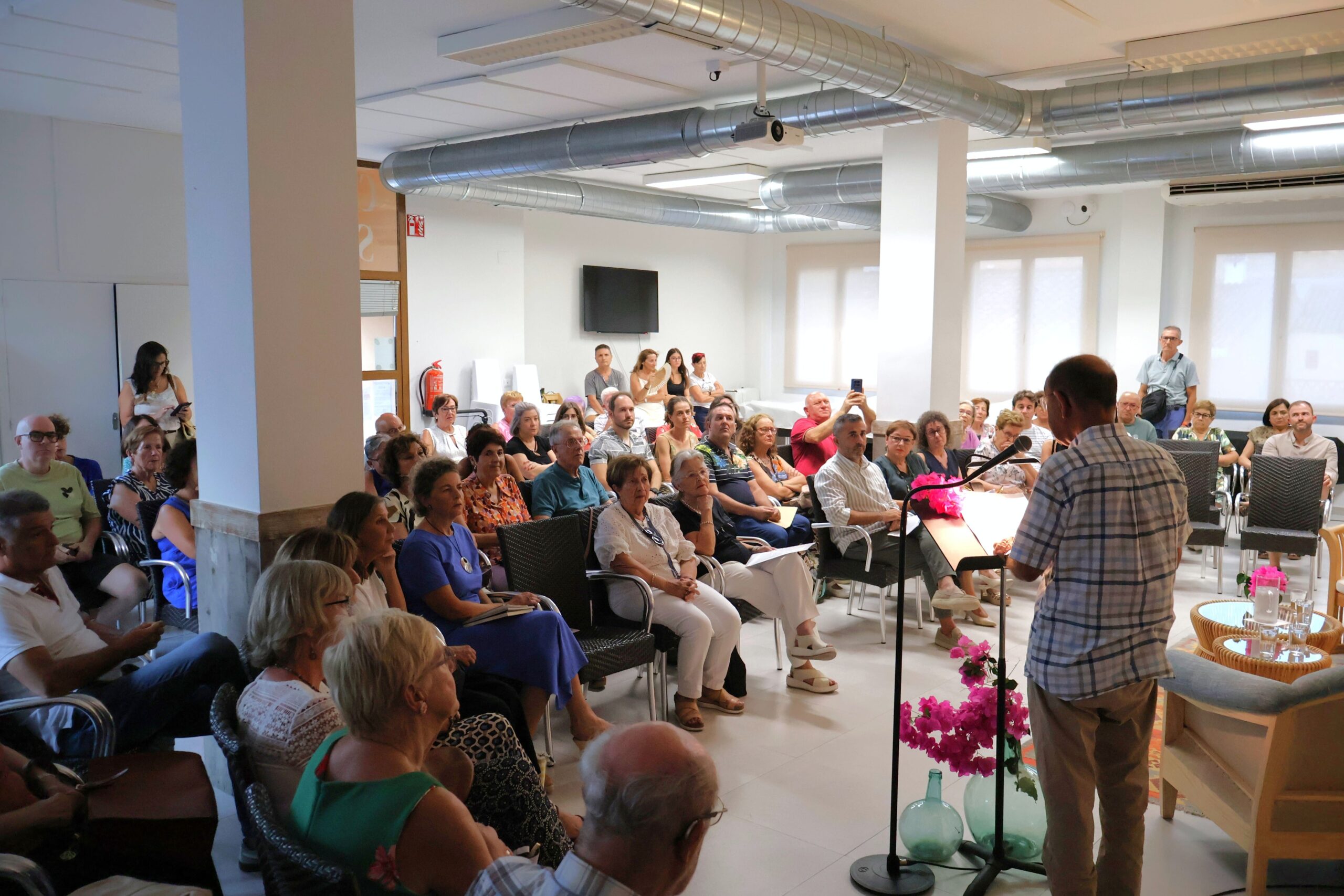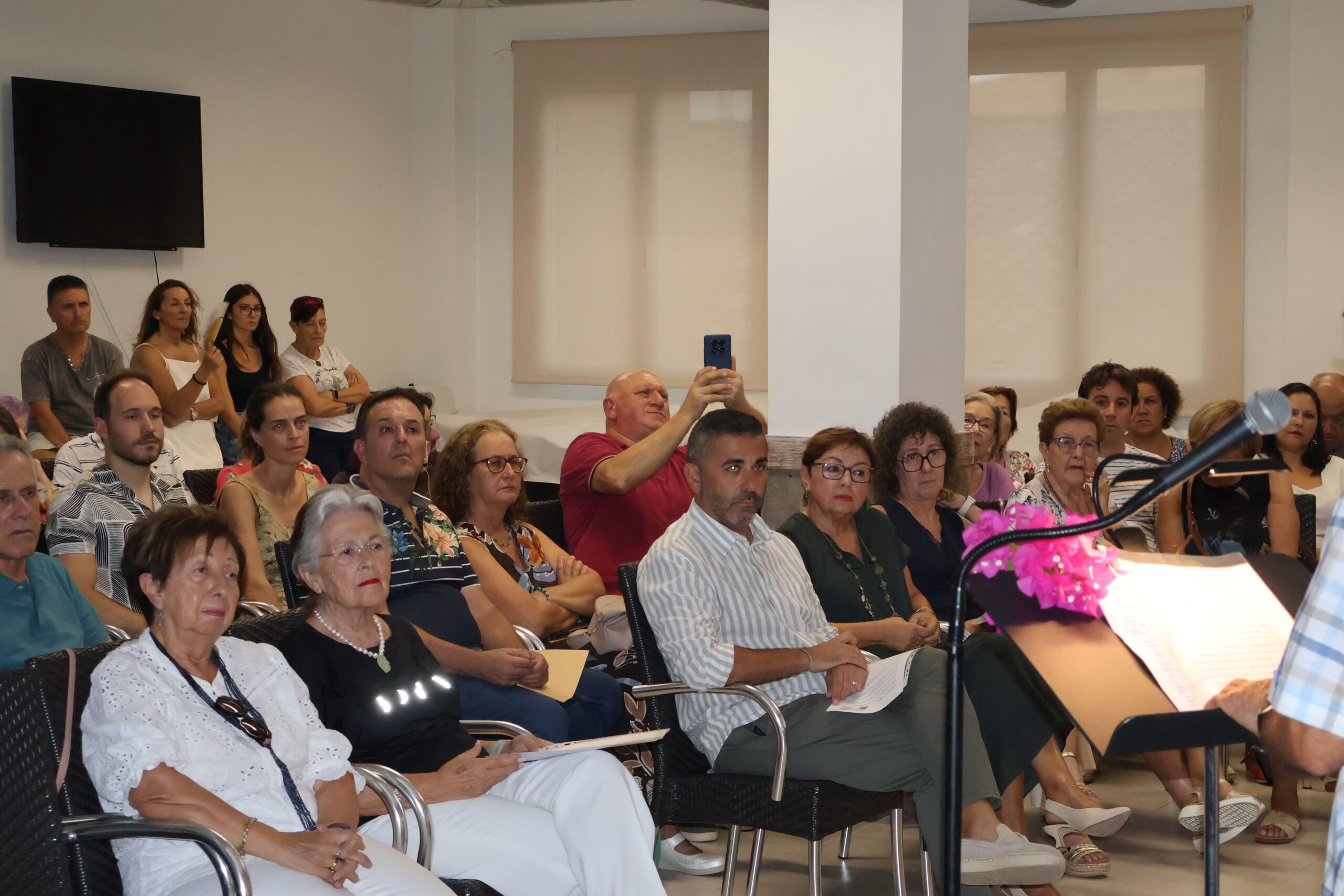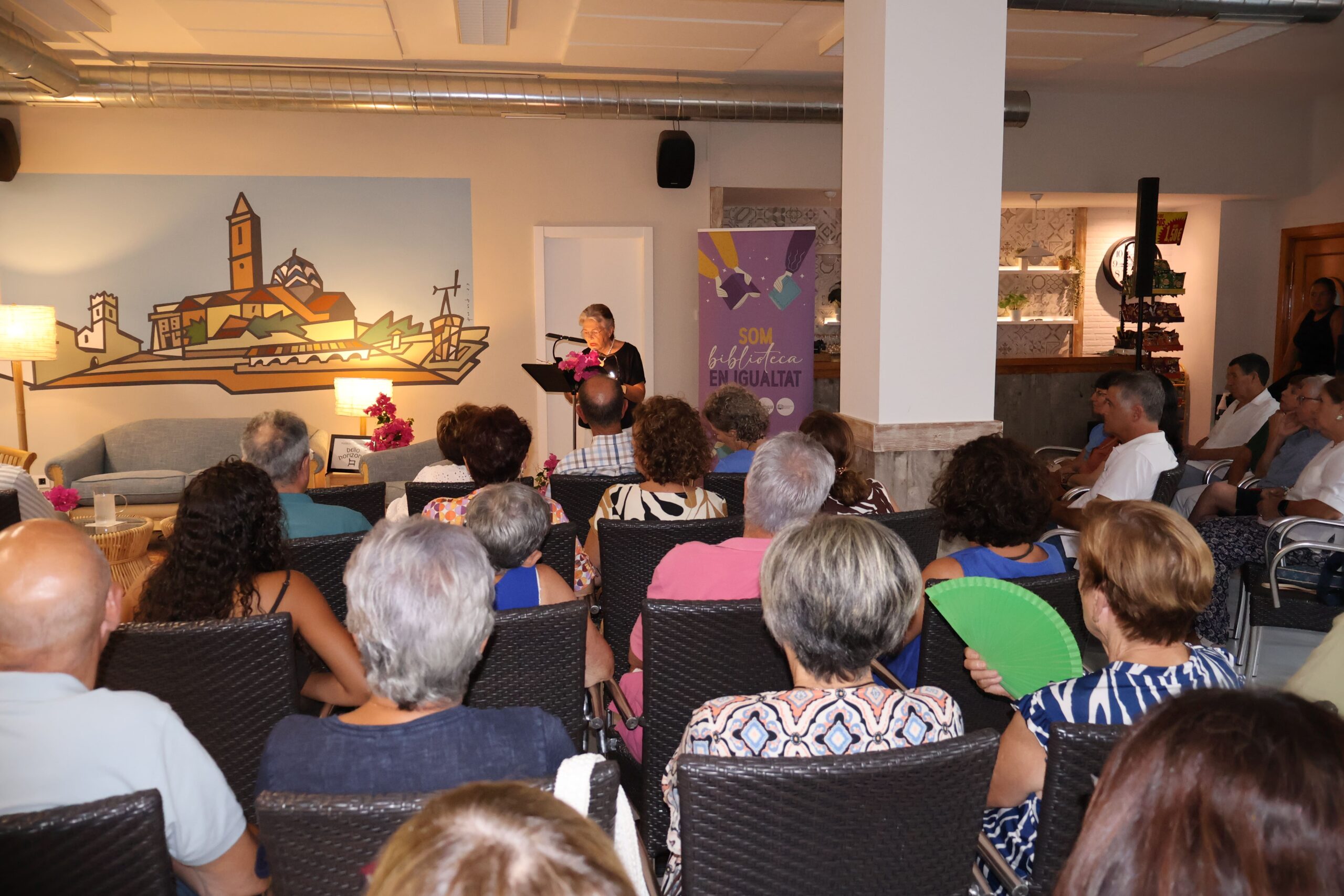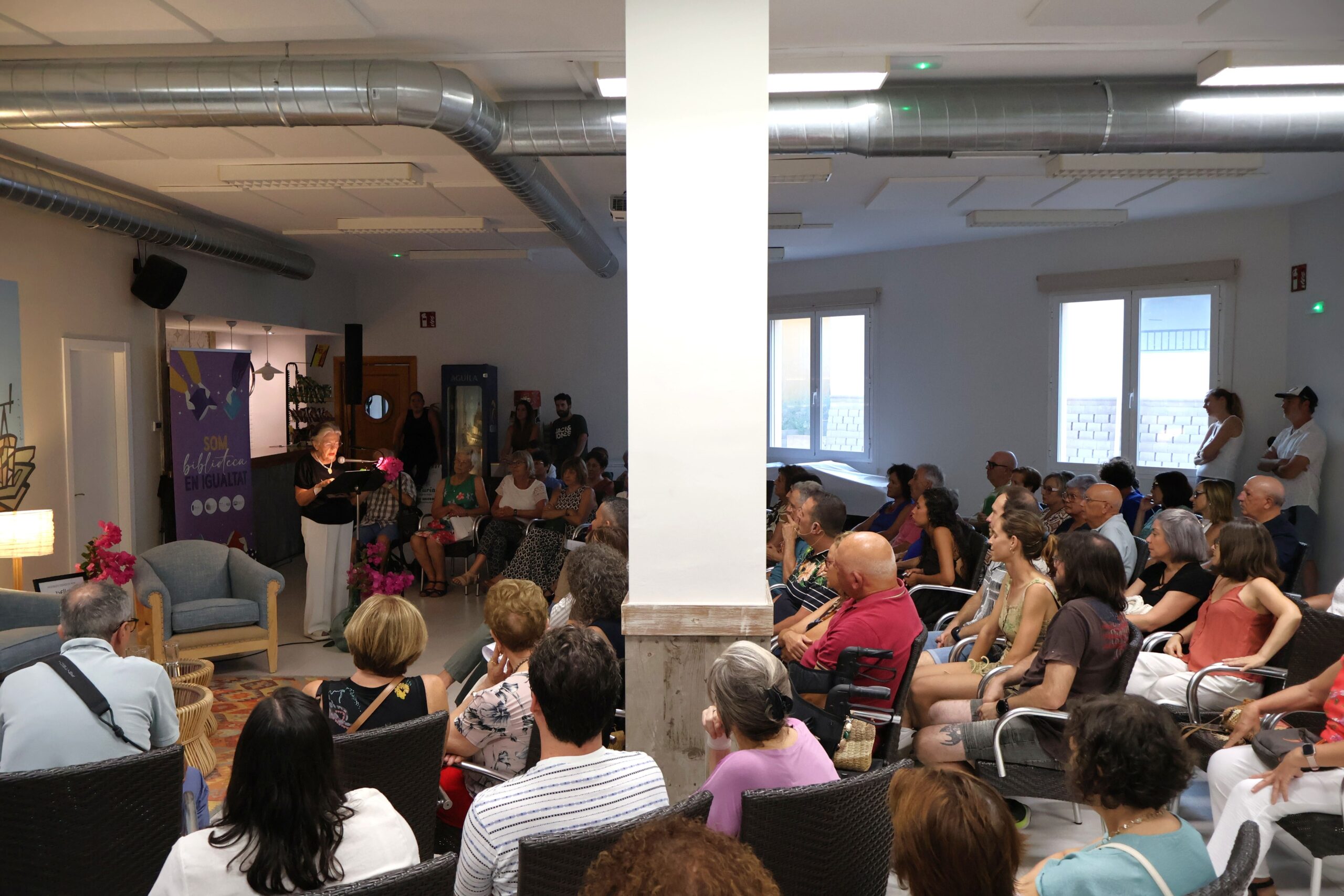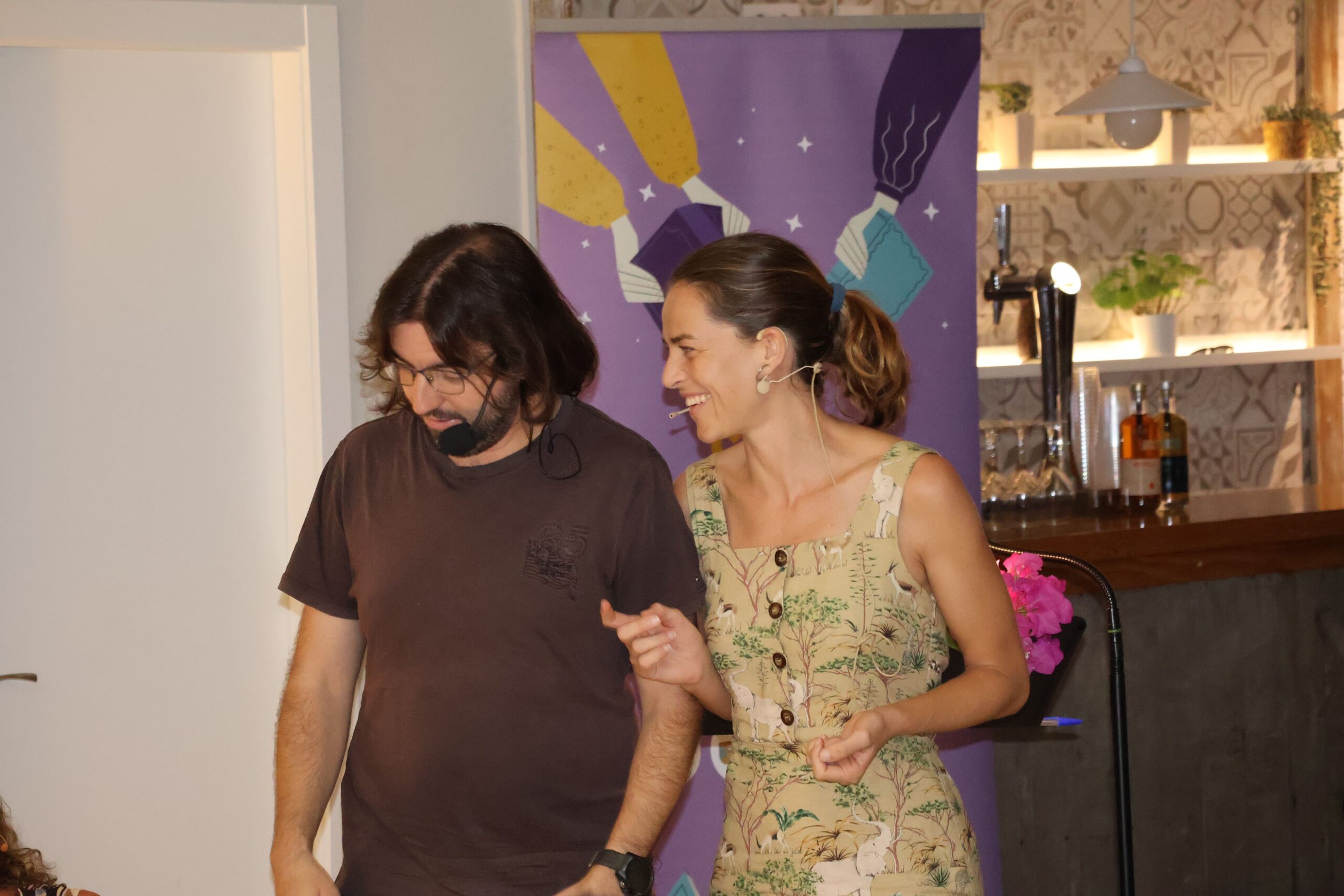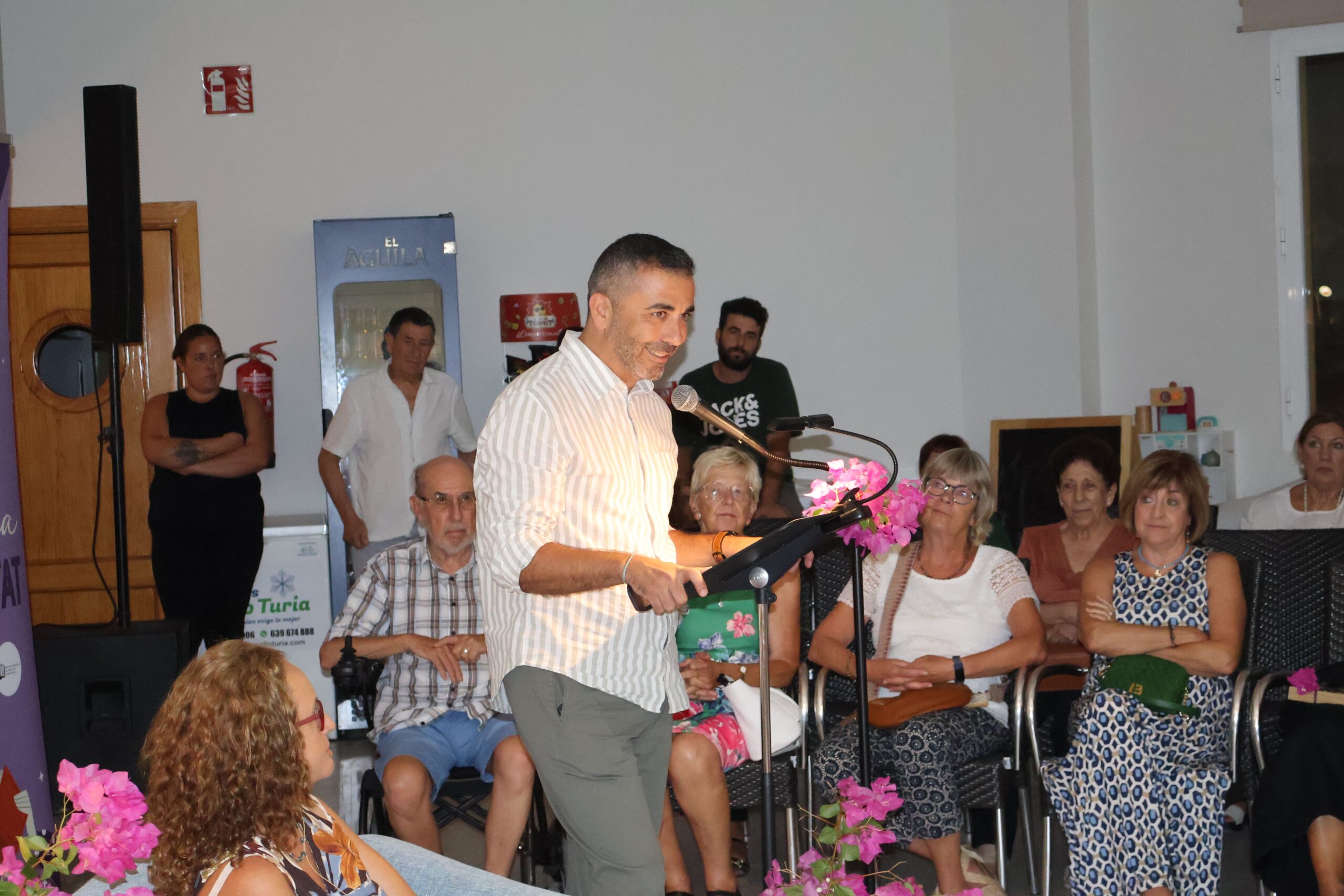

El Poble Nou de Benitatxell has closed with a resounding success of participation the second edition of the Literary Festival ‘Literatura a la fresca’, an initiative promoted and co-directed by the Council – through the councillorships of Culture and Equality – and Clasicas y Modernas association. The final day, held last Friday, August 21st at the Social Centre, put the finishing touch to two weeks where the word, feminist art and historical memory have taken over squares and balconies.
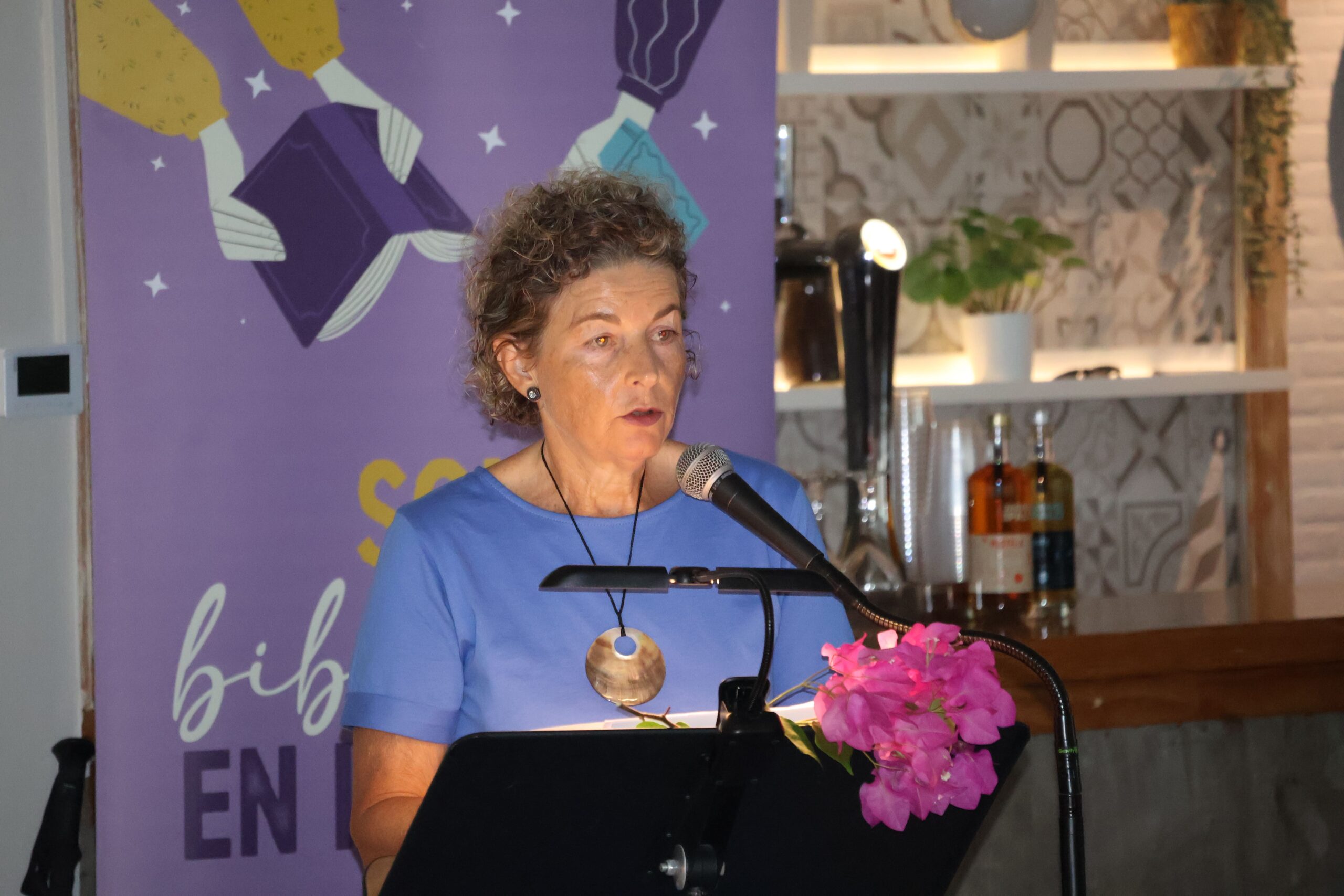
The Councillor of Equality, Isa Garrido, opened the closing day by stressing the importance of valuing local talent and making visible the creativity that is born in the municipality itself. Under this premise, the first block of the night began, called ‘Voices of our people’, a space reserved for sharing the word and the creation of three authors linked to El Poble Nou de Benitatxell.
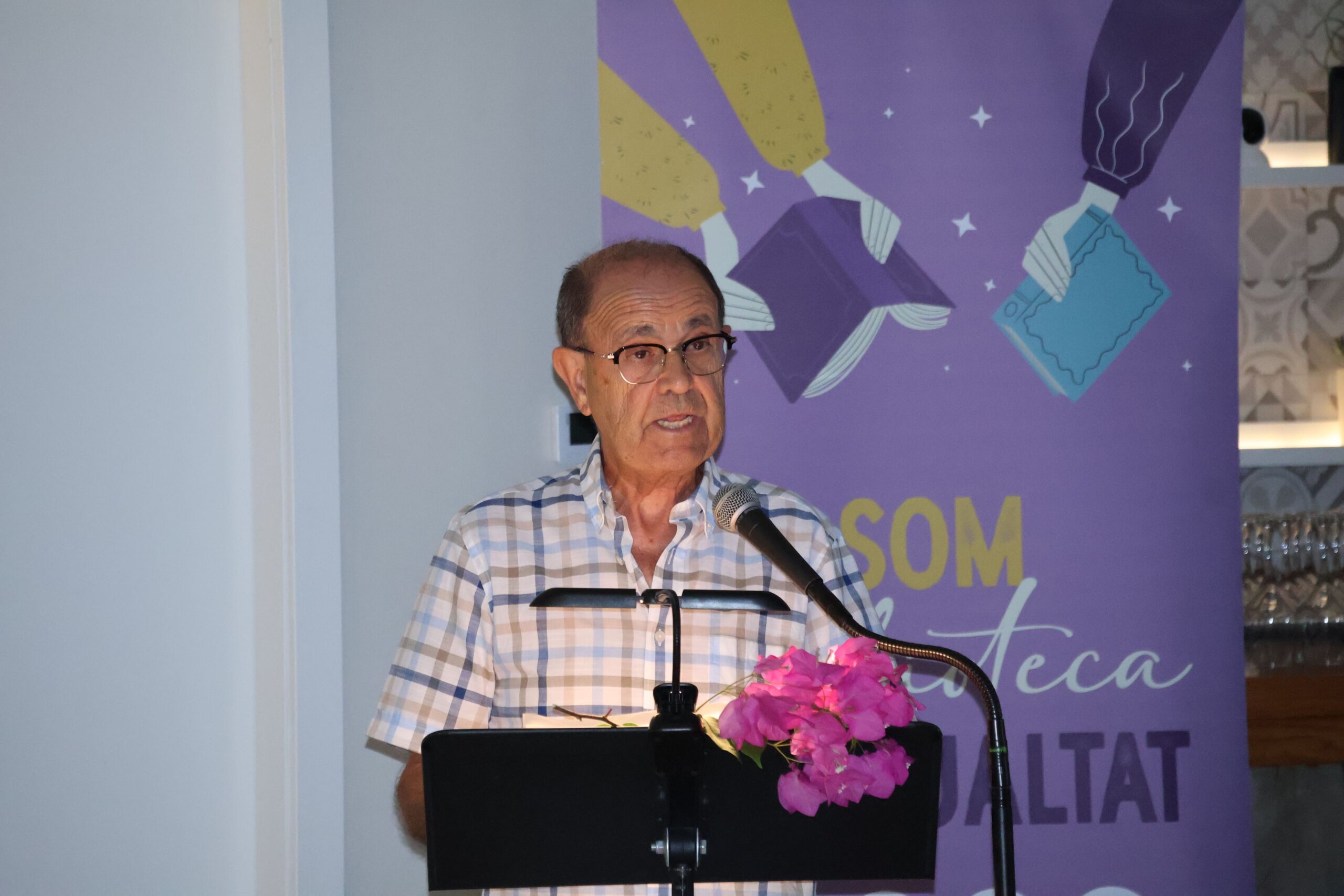
In this section, Jacinta Pastor presented her book of short stories Muéreme, where she delves into the duality between courage and cowardice present in the drama of suicide through various human stories. For her part, the poet Ana Torres recited compositions from her poetry collections Mulier sapiens – an evolutionary journey through the voice and intimacy of women – and Arquitectura del fango – based on reflections on creation from biblical quotes – in addition to share two unpublished poems dedicated to her childhood experiences in the municipality and in Moraira after the loss of loved ones. Finally, Miquel Almenara exhibited the book he co-wrote with Enric Guinot, Carta de poblament del Poble Nou de Benitatxell, 1698, a historiographical contribution focused on the origins and roots of the town’s settlement charter in January 1698.
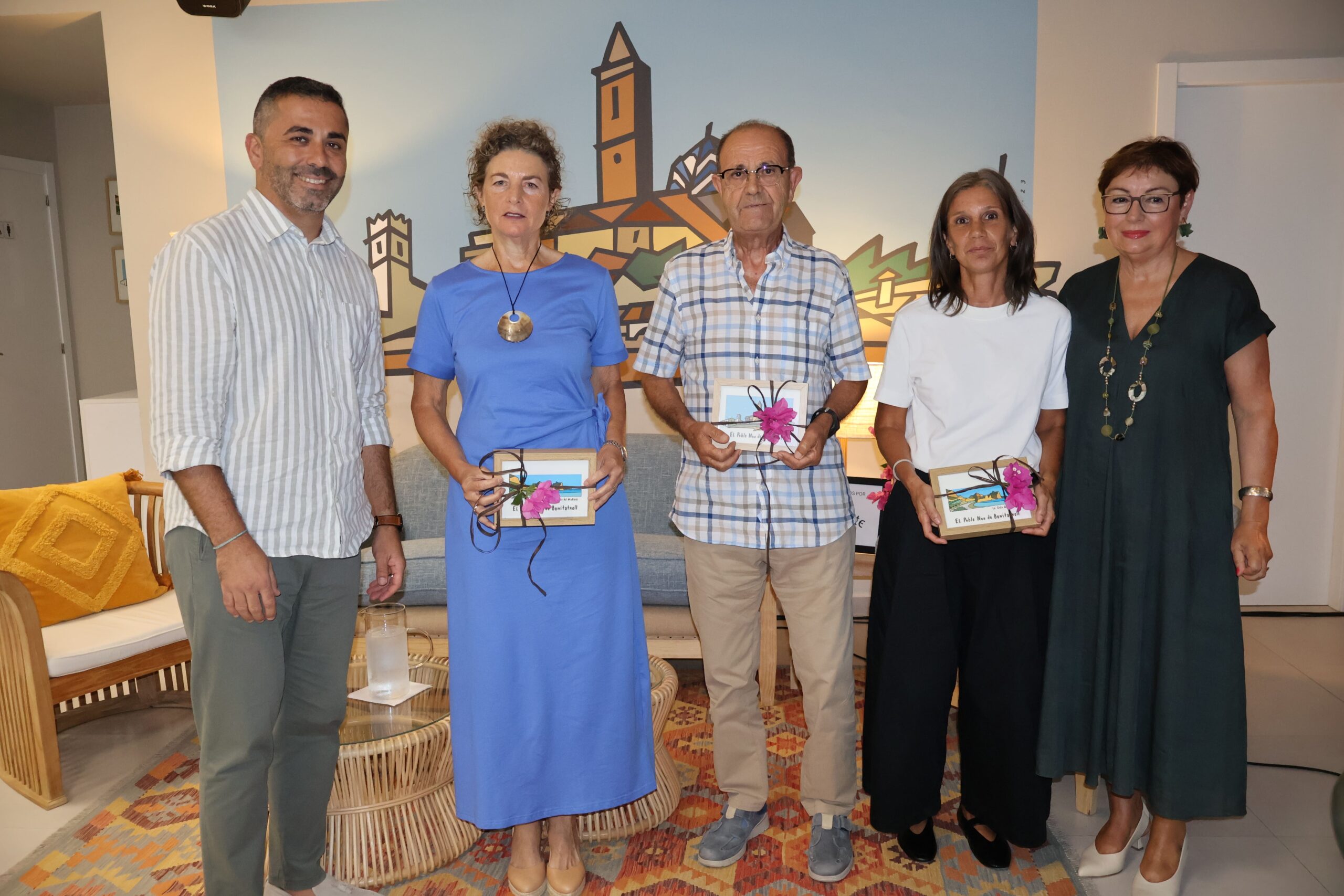
Next, Marina Gilabert, representative of Clásicas y Modernas, brought the public closer to the figure of Francesc Almela i Vives (1901-1967), designated ‘Writer of the Year 2026’ by the Valencian Academy of Language (AVL).
‘When our Navy becomes High Literature’
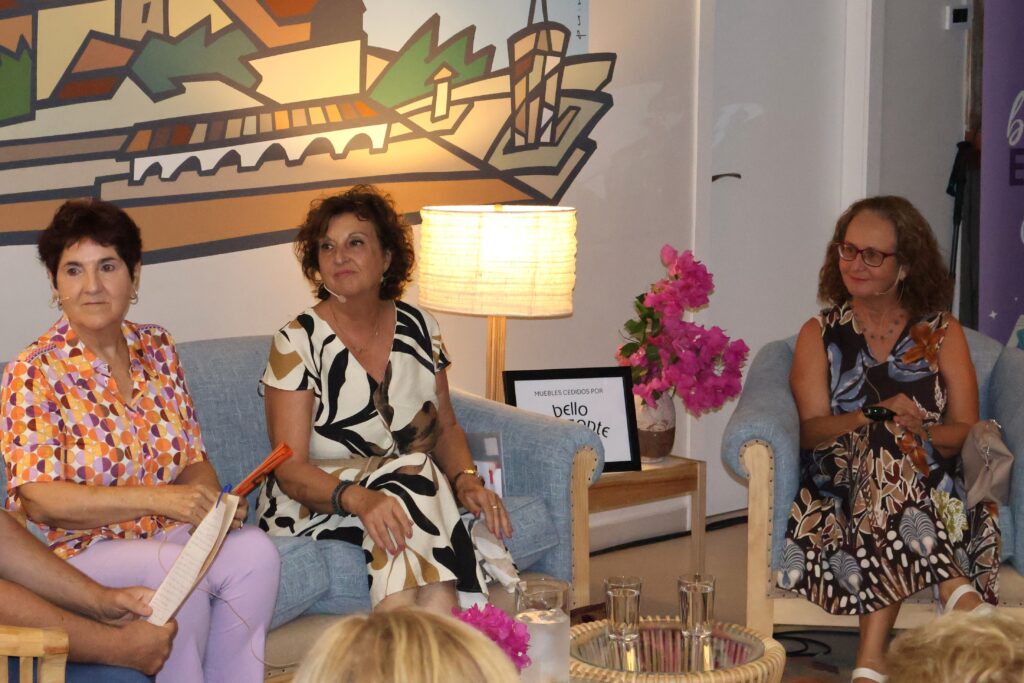
The highlight of the evening was the round table ‘When our Marina becomes High Literature’. Three representative authors of Valencian literature took part: Elvira Cambrils, Pepa Guardiola and Mar Busquets, who addressed topics such as roots in La Marina Alta, identity, the female perspective in their works and the challenges of writing in the face of new technologies, artificial intelligence and immediacy.
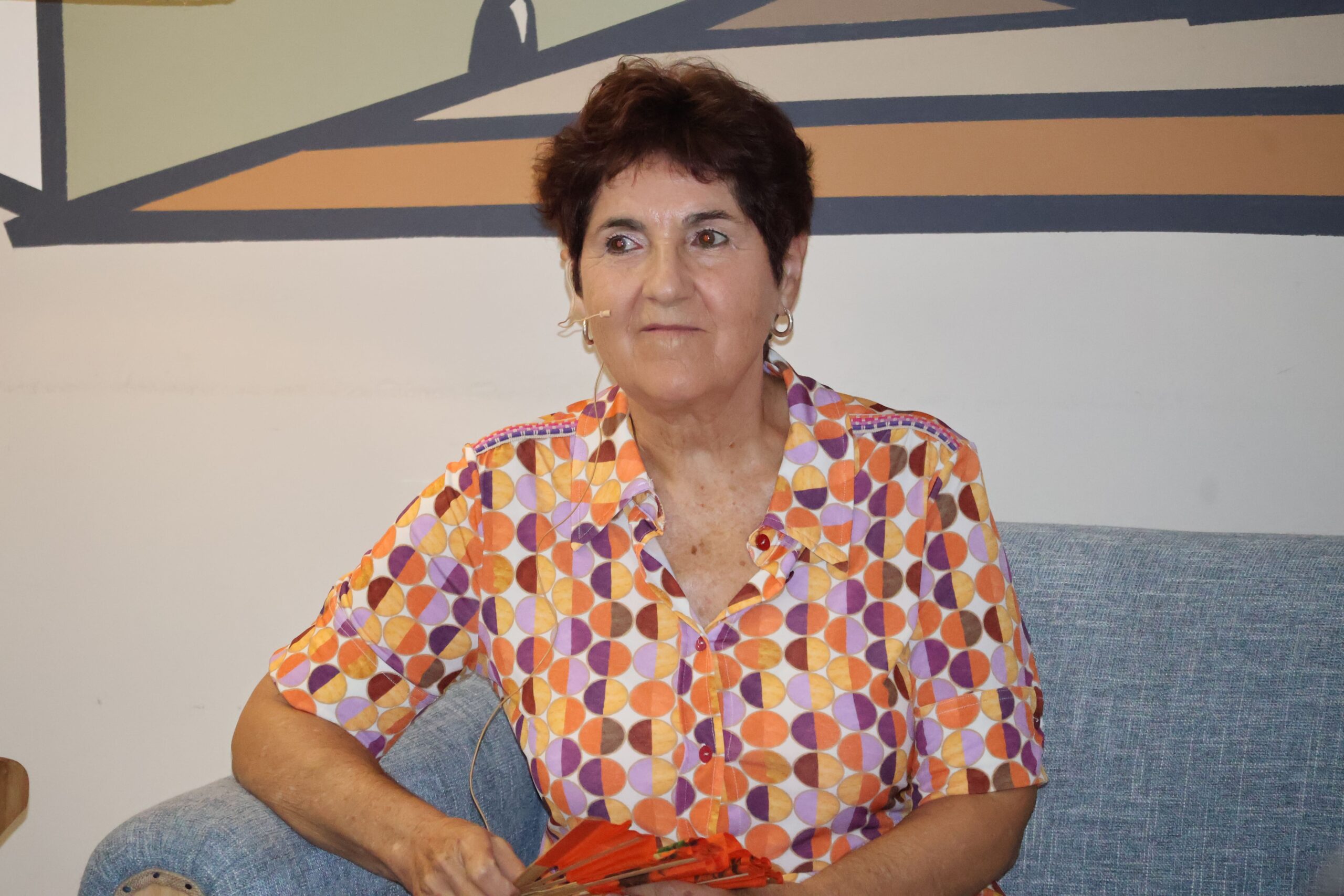
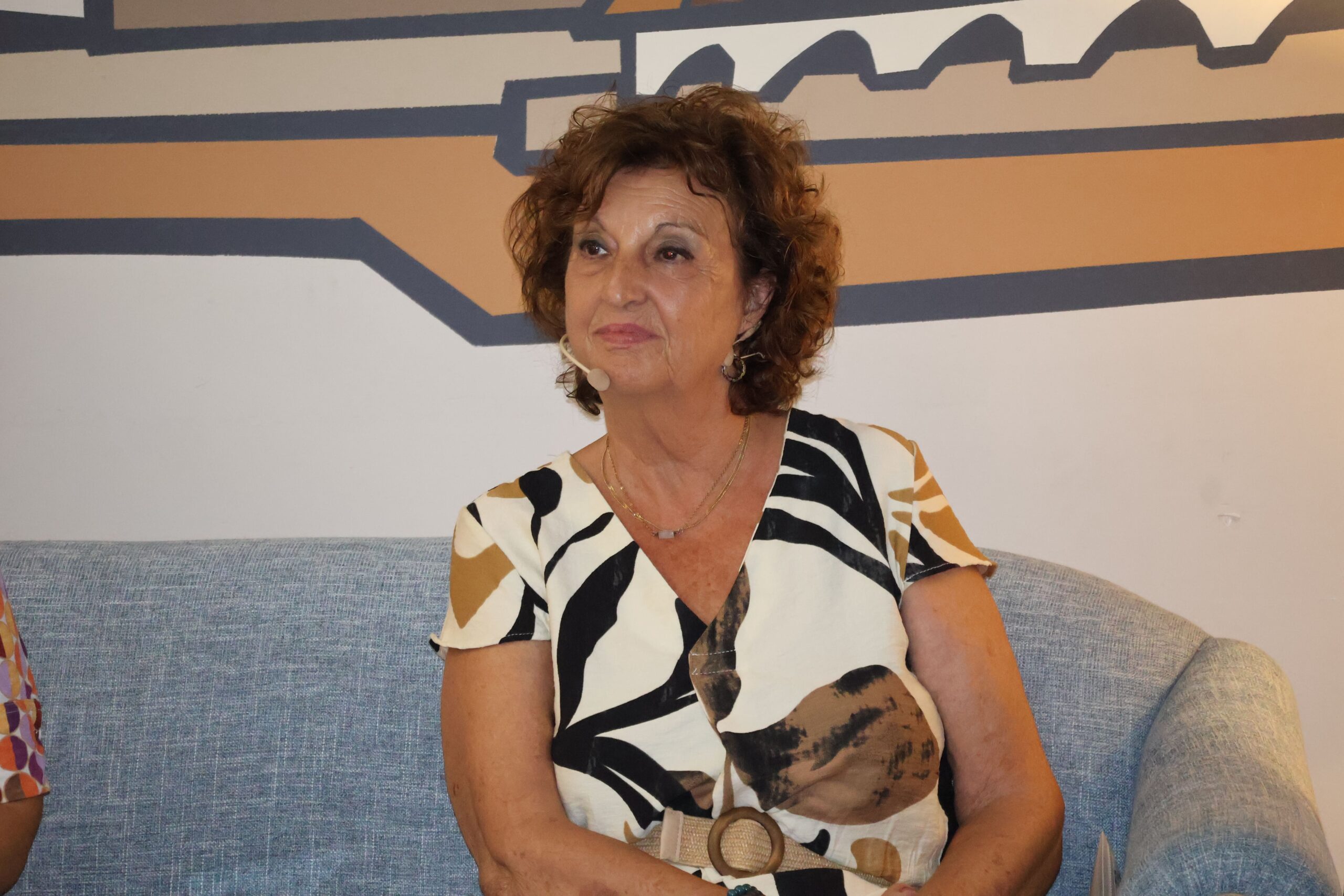
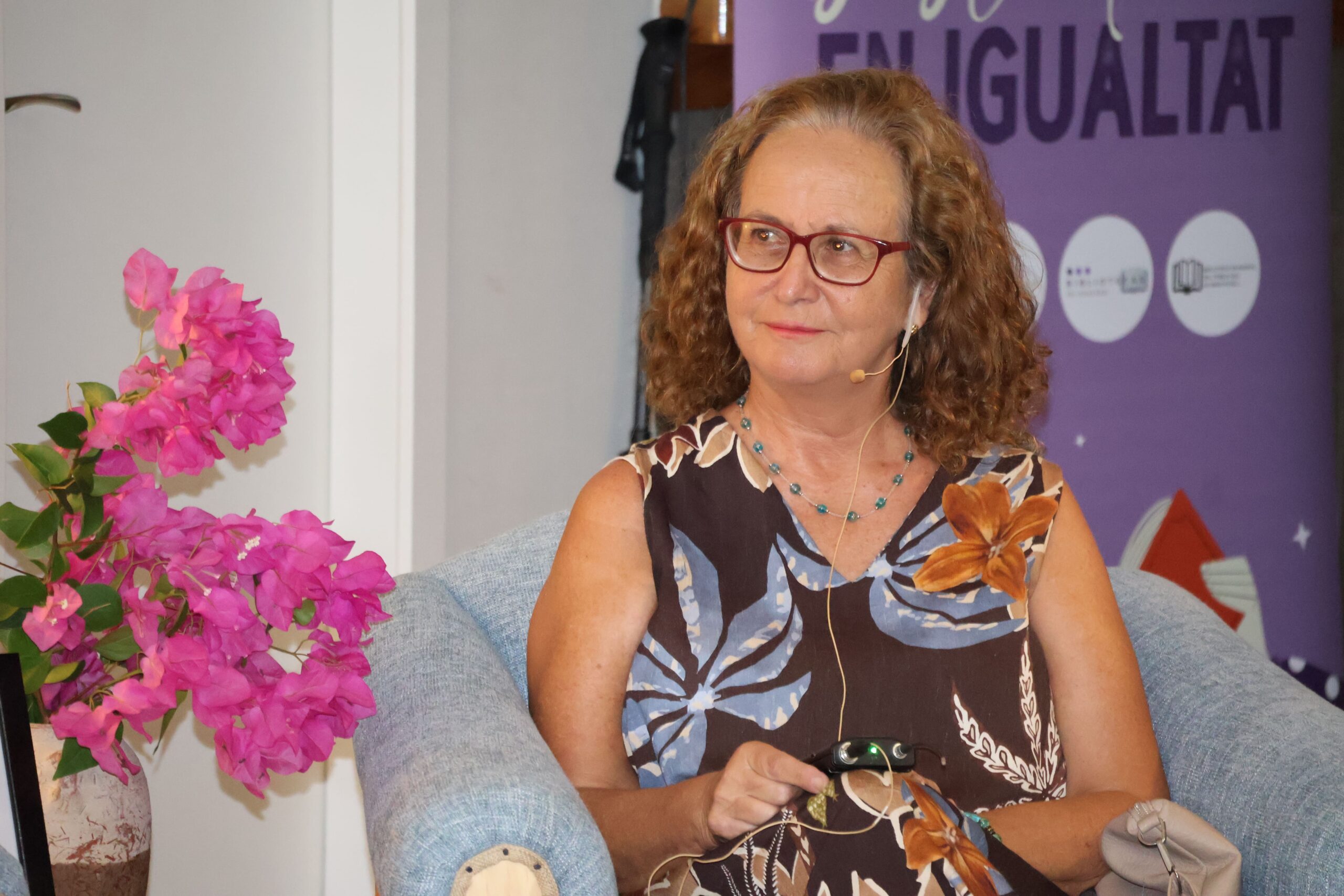
On the loss of identity and the fact of writing from the origins, Elvira Cambrils stated that, «to a certain extent, it is a form of resistance, but it is also a way of starting from that which is singular. From what is singular we can go to what is universal. What marks the value of the work is its authenticity, and one cannot be authentic, at least as I understand it, in a «non-place». Only by being strictly singular, individual, from your land, can you arrive at that which is strictly universal.»
For her part, Pepa Guardiola said that, in her opinion, «it’s not resistance, it’s necessity, because, if not, it wouldn’t be me. Myself has characteristics, an identity and traits, experiences. And it is from those experiences that I write. As Saramago says, our literature is the projection of our identity. If within my identity I live in a space, it is that space that is reflected.»
In relation to the gender perspective and the recovery of references, Mar Busquets expressed that «as a woman, I have always been very concerned about silenced women. A large part of my work talks about these silenced women. For example, the trobairitz (troubadour women). There are medievalists who have denied their existence, when there are at least 40 documented trobairitz. So, whenever I write about these women it is because I need to reveal many women who have been interesting and super important to history and who have their own voice and gaze, but who have seen their history diminished and silenced.»
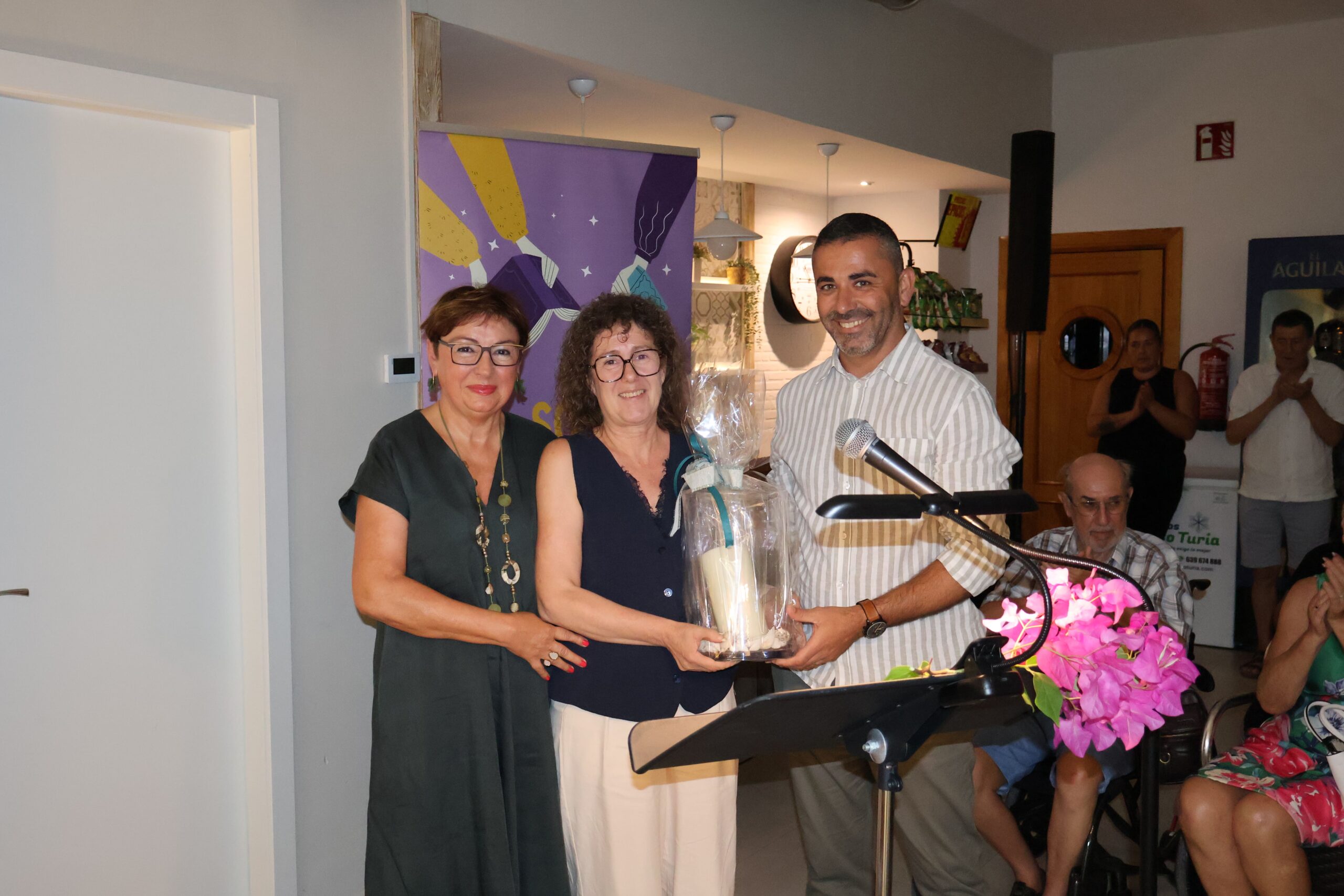
The Councillor of Culture, Jorge Pascual, closed the evening and the festival by expressing his gratitude to the participating local entities, the organising team and the librarian Lola Bolufer for their dedication. In his speech, Pascual summarised the essence of the meeting by recalling that «people that read are people that think, people that write are people that remember and people that bring culture to the streets are living people.»
A well-rounded festival
The II Literary Festival kicked off on August 12th focused on family audiences with the sessions ‘Breathing literature’. On August 13th, the institutional opening took place with the inauguration of ‘Art al Carrer’, an exhibition of 101 canvases of feminist art on loan from the Associació de Dones de Picanya. Many of these works, rescued from the mud after the DANA of October 2024, continue to dress the balconies of Mayor and La Pau streets and Alicante avenue until August 27th.
The activities continued on Monday, August 17th with the awards ceremony of the VII Micro-Story Contest ‘Un poble que escriu i viu’ and the reading of stories and popular tales. The next day, Trinquet Street became the scene of an evening of protest on the role of women in literature and the struggles for equality. In it, members of the local Associació de Dones and the international collective EUWMA honoured the intellectuals of the Generation of 26, the authors of 27 and the great figures of suffragism, in an intimate atmosphere enlivened by the musician Toni Catalá.
It should be noted that the traveling poetry recital ‘Poems in the Streets’, scheduled for Thursday, August 20th, had to be suspended due to rain. Despite this occasional cancellation, the festival bids farewell to an edition marked by street meetings, social commitment and the projection of La Marina Alta as a territory of high literature.